

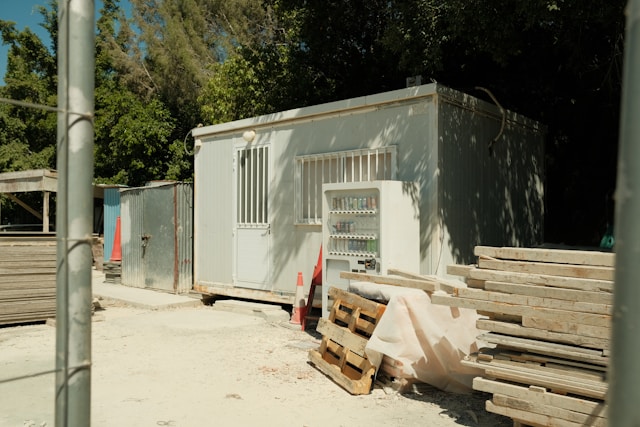
In some cases, you don’t have the time to plan ahead for a long time. You might need to protect tools for a project, set up a temporary workspace, or deal with an urgent operational need. In those times, speed is more than just convenience; it’s necessary for things to keep going. A shelter that can be set up quickly helps teams keep working, keeps people safe, and cuts down on delays caused by bad weather. But just because it’s easy to set up doesn’t mean it’s weak. The best temporary buildings are made to be used more than once, work the same way every time, and be easy to move. They are made to handle moving from one site to another, changing ground conditions, and the wear and tear that comes with busy work environments.
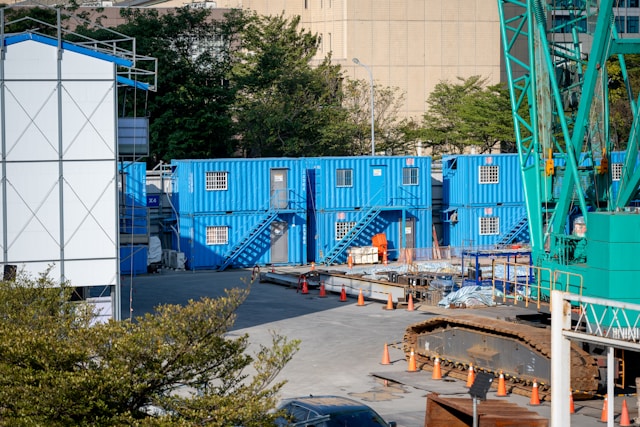
What makes rapid deployment shelters really useful?
The main promise of rapid deployment shelters is that you can make usable cover with very little downtime. That usually means frames that are easier to put together, fewer parts, and a setup process that doesn’t need a lot of people. When you choose a solution, think about how it works in the real world. For example, how it packs down, how it travels, and whether it can be installed safely without special tools. You can also see practicality in the little things. Every time you set it up, clear labels, modular parts, and a design that cuts down on “guesswork” can save you time. When you need speed the most, a structure that needs constant adjustments or fiddly alignment stops being fast.
Strength, stability, and comfort in changing situations
A shelter is only useful if it works when the weather changes. Wind resistance, anchoring options, and the durability of the materials are very important, especially if the structure will be used outside or in open areas. Look for frames that are strong, fixings that are good, and covers that don’t tear or break down in the sun. If the shelter will be up for a long time, think about how to keep the space comfortable and the equipment dry by managing ventilation and condensation. You should also think about what’s going on under the shelter. You might need lighting, cable routing, and safe entry points if people are working inside. You might need lockable access, side panels, or options for the internal layout that keep items from being stacked in an unsafe way if you are storing equipment. A shelter that encourages good habits keeps people from getting hurt and things from getting broken.
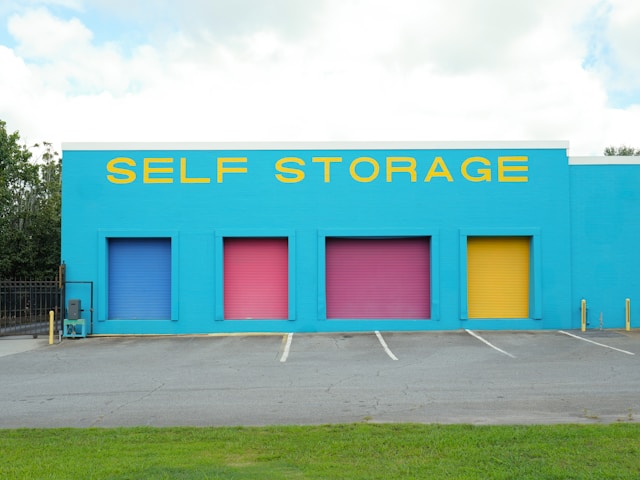
Choosing the right size and shape for your needs
It’s easy to want to “go bigger just in case,” but often the right size works better. It can be harder to keep a shelter safe and less efficient to heat or cool if it is too big for the job. When people have to move around machinery or materials, a shelter that is too small can become messy and annoying. Think of your space in terms of zones: an entry zone that stays clear, a working zone where tasks get done, and a storage zone that keeps paths clear. Modular options can be a game-changer if your needs change from site to site. You can add bays or link units when you need to. The best option is the one that works best for you right now, not the one you think you might need in the future.
