

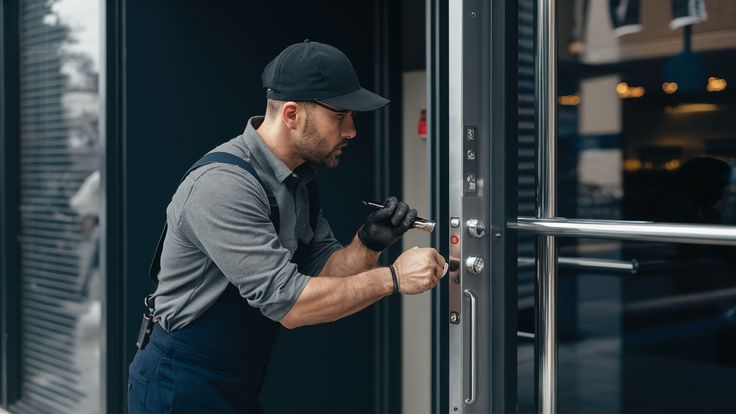
In an age where home security is more critical than ever, the front door stands as your first line of defense. It’s not just about having a strong entrance door lock; it’s about ensuring that it works smarter, too. With advancements in technology, traditional locks are quickly becoming outdated. Burglars are always looking for vulnerabilities to exploit, making it essential to stay one step ahead with modern solutions.
Imagine this: you’re at work or enjoying a night out when you receive an alert on your phone indicating someone is trying to access your home. The peace of mind that comes from knowing you have a reliable system in place can’t be overstated. As we dive deeper into the world of smart locks and their capabilities, you’ll discover how combining strong doors with intelligent locking mechanisms enhances your overall security strategy significantly. Let’s explore why smart locks might just be what every homeowner needs today!
Traditional Door Locks vs. Smart Locks
Traditional door locks have served us well for decades. They rely on simple mechanics—a key turns, and the bolt slides into place. This method has its merits, offering a straightforward solution to securing your home.
However, smart locks are changing the game. These devices leverage technology to offer enhanced security features that traditional locks simply can’t match. With options like remote access and temporary codes for guests, they provide flexibility that’s hard to ignore.
Smart locks also integrate with home automation systems. Imagine locking your entrance door lock from anywhere through an app or receiving alerts when someone enters your home while you’re away, enhancing both convenience and security.
While traditional locks may feel familiar and reliable, smart locks bring innovation and convenience into everyday life. The choice between them often comes down to how much control you want over your home’s security measures.
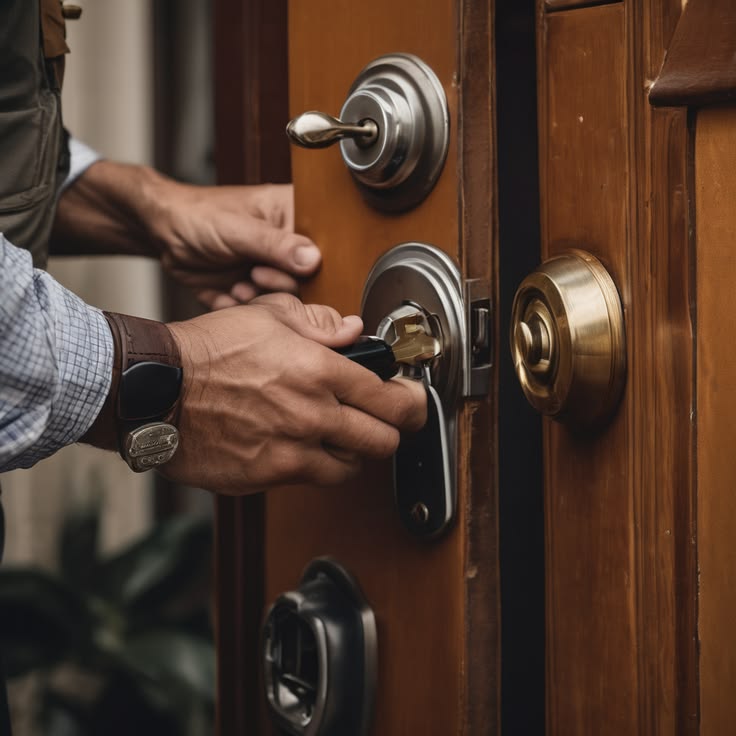
Features of Smart Locks for Stronger Doors
Smart locks offer a range of innovative features that enhance the security of strong doors. One of the standout attributes is remote access control. With a smartphone app, you can lock or unlock your entrance door lock from virtually anywhere.
Many smart locks come with keyless entry options. Whether through biometric scans or numeric keypads, these systems eliminate the need for traditional keys, reducing the risk of unauthorized duplication.
Real-time monitoring is another compelling feature. You receive alerts when someone enters or exits your home. This keeps you informed about who has access to your property at all times.
Some models integrate seamlessly with home automation systems, allowing for customizable security protocols. Imagine scheduling automatic locking and unlocking based on your daily routine.
Additionally, many smart locks have built-in backup batteries to ensure functionality during power outages, adding an extra layer of reliability in critical moments.
Types of Smart Locks Available in the Market
Smart locks come in a variety of types, each designed to cater to different security needs and lifestyles. Keyless entry systems are popular for their convenience. With just a code or smartphone app, you can unlock your door without fumbling for keys.
Biometric locks offer another layer of security. They use fingerprints or facial recognition technology, ensuring that only authorized users can gain access.
Some smart locks integrate with home automation systems. These models allow you to control your entrance door lock remotely and set schedules for when the door should be accessible.
Bluetooth-enabled locks provide ease of use by connecting directly to your smartphone within range. No need for Wi-Fi; just walk up and unlock with a tap.
There are smart deadbolts designed specifically as an upgrade to traditional deadbolt systems. They combine strength with advanced tech features, enhancing both safety and user experience.
Installation and Set-up Process
Installing a smart lock on your entrance door can be straightforward. Most brands provide clear instructions, making it easier for DIY enthusiasts.
First, gather the necessary tools: a screwdriver and possibly an adjustable wrench. Ensure you have the right size batteries if required.
Begin by removing your existing lock. Carefully detach it from the door frame using your screwdriver. This step is crucial; treat each component gently to avoid any damage.
Next, position the smart lock according to the manufacturer’s guidelines. Align it with the bolt hole and secure it firmly in place.
After installation, download the corresponding app on your smartphone for seamless control. Follow prompts within the app to connect your new device via Bluetooth or Wi-Fi.
Test its functionality before relying solely on digital access methods—ensuring everything operates smoothly gives peace of mind as you enjoy enhanced security at home.
Additional Security Measures to Consider
When enhancing home security, don’t rely solely on your entrance door lock. Consider reinforcing windows with sturdy locks or security film to deter break-ins.
Adding a smart doorbell camera can provide real-time surveillance and alert you to visitors or potential intruders. This added layer of visibility gives peace of mind when you’re away from home.
Installing motion-sensor lights around entrances is another effective strategy. These lights illuminate dark areas, making it difficult for anyone to approach unnoticed.
Consider integrating a comprehensive alarm system that alerts you and authorities in case of unauthorized access. Many systems can sync with smart devices for ease of monitoring.
Always keep landscaping in check. Trim bushes near entry points so they don’t provide cover for trespassers. A clear view discourages unwanted attention while keeping your property looking neat and inviting.
Cost Comparison between Traditional and Smart Locks
When it comes to securing your home, understanding the cost difference between traditional and smart locks is essential. Traditional door locks often come with a lower upfront price tag. They are straightforward mechanisms that provide basic security but can lack advanced features.
On the other hand, smart locks tend to have a higher initial cost due to their technology. The investment includes not only the lock itself but also potential installation fees if you hire a professional. However, this expense can be worthwhile when you consider long-term benefits like enhanced security, convenience, and even insurance discounts for high-tech systems.
Smart locks offer features such as remote access, monitoring capabilities, and easy integration with existing home automation systems. These conveniences can save you time and enhance peace of mind knowing your entrance door lock is secure from anywhere in the world.
Choosing between traditional and smart locks depends on your budget and personal preferences regarding security measures. Balancing cost against functionality will help ensure that whatever choice you make effectively protects your home while providing ease of use in everyday life.
