

The healthcare industry is undergoing a major transformation. With the rise of specialized campaign strategies, providers are finding innovative ways to connect with patients like never before. Traditional marketing methods are giving way to targeted approaches that cater to specific needs and demographics.
Imagine receiving healthcare information tailored just for you, addressing your unique concerns and conditions. This personalized touch not only enhances patient engagement but also fosters trust between healthcare professionals and their communities.
As technology continues to evolve, so does the landscape of healthcare marketing. The focus has shifted from broad messages to precise communication aimed at individual groups. Let’s explore how these specialized strategies are reshaping the way we think about health services today!
The impact of technology on healthcare marketing
Technology has revolutionized health related marketing services in unprecedented ways. The rise of digital platforms allows providers to reach patients where they spend most of their time—online.
Data analytics play a crucial role, providing insights into patient behaviors and preferences. This information helps tailor campaigns that resonate deeply with target audiences.
Moreover, artificial intelligence enhances the personalization of marketing efforts. Chatbots can engage potential patients 24/7, answering questions and guiding them through services offered.
Telehealth options have also shifted how organizations promote care. Marketing strategies now highlight convenience and accessibility, catering to a growing demand for remote services.
As technology continues to evolve, so will the methods used in healthcare marketing. Organizations must stay agile and adapt to these changes or risk falling behind in an increasingly competitive landscape.
Targeting specific demographics and patient populations
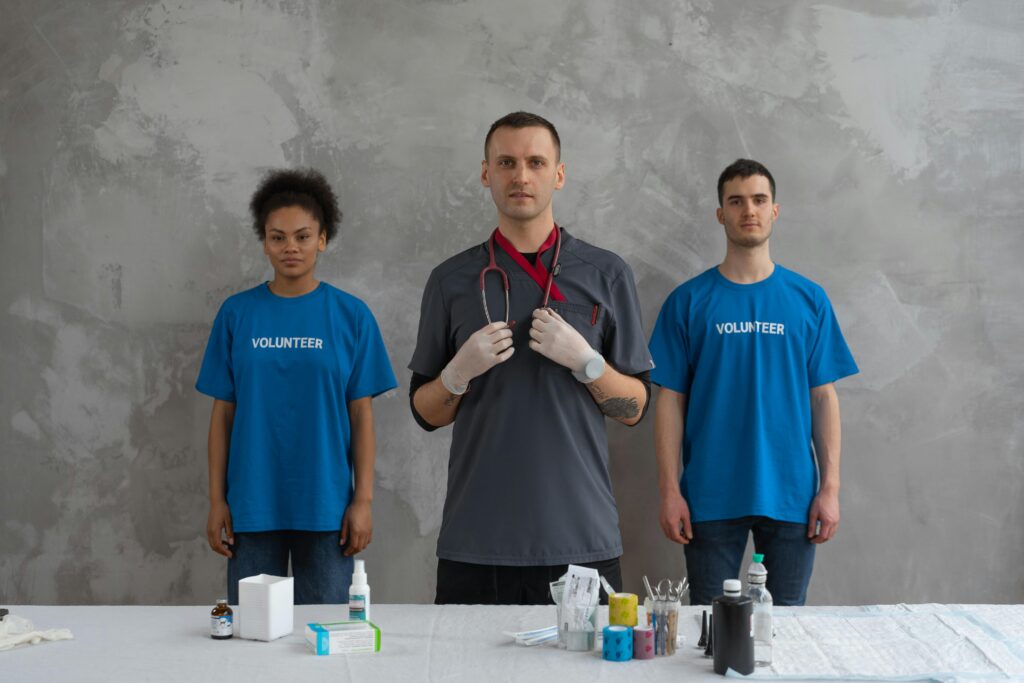
Understanding your audience is crucial in healthcare marketing. By targeting specific demographics, providers can tailor their messages effectively.
For instance, a campaign aimed at seniors may focus on chronic illness management and preventive care. Alternatively, outreach to younger adults might emphasize wellness programs and mental health resources.
Data analytics plays a key role here. Healthcare organizations are harnessing patient data to identify trends and preferences within various populations. This insight allows for more accurate messaging.
Moreover, cultural competency cannot be overlooked. Crafting campaigns that resonate with diverse communities fosters trust and engagement.
By honing in on these specific groups, healthcare marketers can create impactful strategies that lead to enhanced patient relationships and improved health outcomes.
Personalization and hyper-targeting in healthcare campaigns
Personalization and hyper-targeting are game-changers in healthcare marketing. They allow organizations to connect with patients on a deeper level, tailoring messages to meet individual needs.
With advanced data analytics, healthcare providers can identify specific patient behaviors and preferences. This means campaigns can speak directly to unique experiences rather than generic health issues.
For instance, imagine receiving an email that addresses your recent diagnosis or a targeted ad for local services that fit your particular treatment plan. It feels relevant because it is relevant.
Moreover, personalized content fosters trust. Patients are more likely to engage with brands that understand them as individuals rather than just another statistic.
This approach not only enhances patient engagement but also drives better health outcomes by encouraging proactive management of their conditions through tailored resources and support.
The role of social media and influencer marketing in healthcare campaigns
Social media has reshaped how healthcare organizations connect with patients. Platforms like Facebook, Instagram, and Twitter serve as essential tools for disseminating information and engaging audiences. They allow healthcare providers to share valuable content, from educational posts about conditions to updates on new treatments.
Influencer marketing adds another layer of impact. Healthcare influencers—whether they are doctors, nurses, or wellness advocates—help build trust within their communities. When these figures share their experiences or endorse a service, it resonates more authentically than traditional advertising methods.
This digital landscape enables highly targeted campaigns that reach specific patient populations based on interests and needs. By collaborating with influencers who align with their values, healthcare brands can effectively communicate complex medical information in relatable ways. This not only enhances engagement but also fosters a sense of community among patients seeking support.
As the lines between patient care and marketing continue to blur, the importance of social media strategies will only grow. Effective communication through these channels is vital for addressing misinformation while promoting health literacy—a key factor in empowering individuals to take control of their wellbeing.
The evolution of these strategies signifies a shift towards more personalized approaches in healthcare marketing that resonate deeply with diverse audiences across various platforms.
