

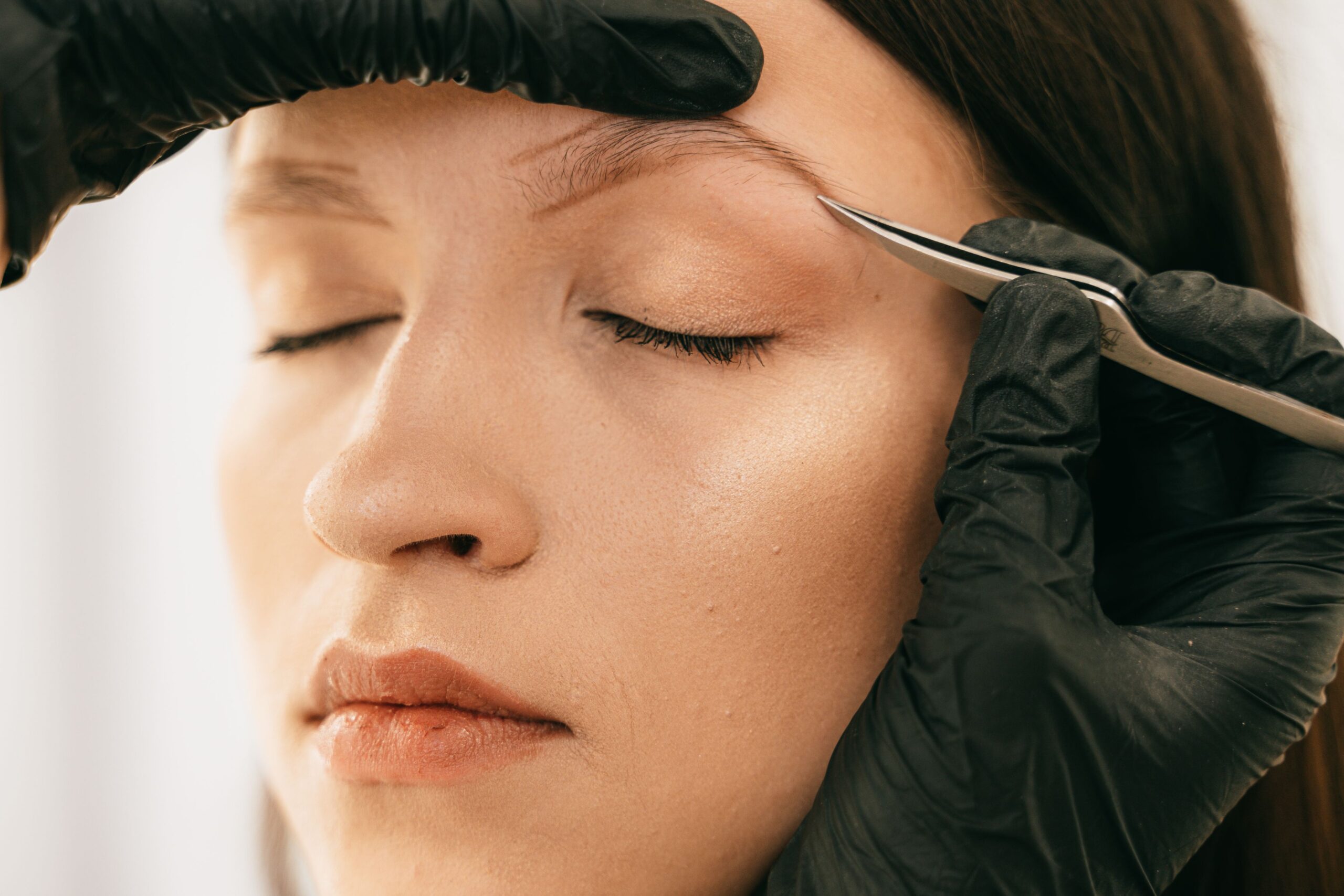
Eyebrow tattoos have become a popular beauty trend, offering the illusion of perfectly shaped brows without the daily hassle of makeup. However, as tastes change and trends evolve, some individuals find themselves wishing to erase their inked brows. Whether it’s due to an unsatisfactory result or simply a shift in personal style, eyebrow tattoo removal is gaining traction.
Understanding this process can be daunting. With various techniques available and potential side effects to consider, it’s essential to approach eyebrow tattoo removal with knowledge and care. Let’s dive into the world of eyebrow tattoos—what they are, why someone might want them removed, and how the process works.
The Different Types of Eyebrow Tattoos
eyebrow tattoo removal services come in various styles, each catering to different preferences and needs. The most popular type is microblading. This semi-permanent technique involves using tiny, hair-like strokes to fill in sparse areas for a natural look.
Powder brows offer a softer, makeup-like finish. This method uses a machine to deposit pigment into the skin, creating an airbrushed effect. It’s great for those who enjoy a bolder appearance without the commitment of permanent ink.
Ombre brows blend both techniques. They start with light shading at the front and transition to darker color towards the tail end. This gradient effect provides depth while maintaining softness.
Some individuals opt for traditional tattooing methods that deliver long-lasting results but may not appear as natural as other options. Each type caters to specific aesthetic goals and individual lifestyles, making it essential to choose wisely before committing.

Why People Choose to Remove Their Eyebrow Tattoos
Many individuals opt to remove their eyebrow tattoos for various reasons. One common motivation is the desire for a more natural look. Trends change quickly, and what was once fashionable can suddenly feel out of place.
Additionally, some people experience dissatisfaction with the initial results. The shape or color may not align with their personal style or complexion, leading them to seek removal.
Another factor is fading over time. Eyebrow tattoos often lose vibrancy or become discolored due to sun exposure and skin changes. This can lead to an uneven appearance that prompts action.
Lifestyle changes play a role. As individuals evolve in their lives—be it through career shifts or personal growth—their aesthetic preferences might shift as well, making tattoo removal appealing for those seeking alignment between their appearance and identity.
The Risks and Side Effects of Eyebrow Tattoo Removal
Removing eyebrow tattoos isn’t without its drawbacks. One of the main risks is skin irritation. The process can lead to redness, swelling, or even scabbing.
Infections are another concern. If proper aftercare isn’t followed, harmful bacteria may enter through broken skin. This could result in painful complications and prolonged healing times.
Some techniques might cause hyperpigmentation or changes in skin texture. For those with sensitive skin, this can be especially problematic as reactions vary significantly from person to person.
Emotional distress shouldn’t be overlooked either. Many people experience anxiety about their appearance during the removal process, which can impact overall well-being.
It’s essential to weigh these risks against your desire for a fresh start with your brows. Consider consulting a professional for personalized advice before proceeding with any method of tattoo removal.
Popular Methods of Removing Eyebrow Tattoos
When it comes to eyebrow tattoo removal, several methods are available. Each has its own pros and cons, catering to different needs and preferences.
Laser removal is one of the most popular options. It uses focused light beams to break down the ink particles in the skin. This method can be effective but might require multiple sessions for complete removal. While some may experience discomfort during treatment, advancements in technology have made laser procedures more tolerable.
Another common technique is saline solution removal. This process involves injecting a saline solution into the skin, which draws out the pigment over time. Saline treatments are often preferred by those looking for a less invasive option with fewer side effects.
For individuals who want immediate results, there’s also the option of using chemical removers that work quickly on superficial tattoos. However, they can come with higher risks of irritation or scarring if not applied correctly.
Microdermabrasion is another method worth mentioning; it exfoliates layers of skin to remove unwanted ink gradually. Like other techniques, this requires patience as results develop over several sessions.
Choosing the right method depends on personal circumstances and desired outcomes. Consulting with a licensed professional will help determine which approach suits you best while considering factors like skin type and tattoo depth. Taking an informed step forward means you’ll be well on your way toward achieving beautifully natural brows again.
