

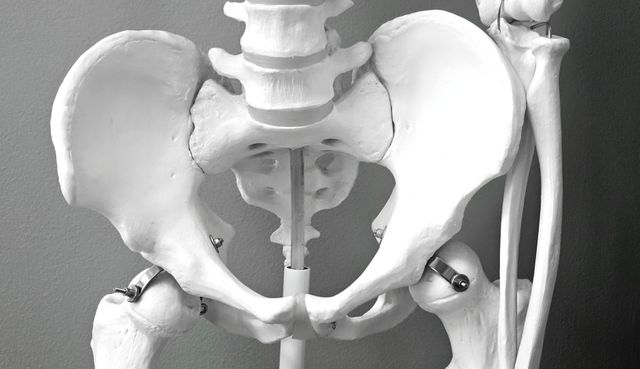
Hip replacements have been carried out quite effectively in Australia for several decades now. But what keeps developing is the method of approaching the joint, and that point is quite significant when it comes to the patient’s life experiences related to this procedure.
The Significance of the Method of Accessing the Joint
In the conventional method of hip replacement, the joint is accessed via the detachment or splitting of the gluteal muscles. The method is efficient enough, but the problem is that these muscles will have to heal along with the rest of the body during recovery.
The technique of the anterior hip replacement Melbourne does not require the dissection or cutting of the muscles; the surgeon accesses the hip joint through a natural opening located between different muscle groups. The tissues surrounding the joint are retained rather than being restored after cutting, which greatly affects the post-operation process. This type of approach has long been used in such European countries as Switzerland and France, and it has gradually begun to gain popularity in Australia.
What Actually Happens During the Procedure?
A smaller incision is made at the front of the hip, usually right near the natural fold in the groin area. The surgeon works in a pretty delicate spot, making their way between the tensor fasciae latae and the sartorius muscle, neither of which they need to detach. Because the key nerves and muscles around the joint get to stay put, the hip still has a pretty strong sense of stability right from the moment the surgery is over.
We use intraoperative imaging quite a bit during anterior approach procedures to double-check that the new prosthetic is in the right spot before we close things up. It can take anywhere from an hour to 2 hours, depending on how complicated things get, and patients are positioned on a special table that lets us get the leg in the right spot without needing a second surgeon to help.
Who the Approach Works Best For?
When it comes to choosing patients for this procedure, it really matters who’s a good candidate. People who tend to do okay with the anterior approach are generally in pretty good health, have a body shape that makes it easy to get to the spot we need to operate on, and are motivated to put in the effort to rehab.
The thing is, this approach isn’t the best choice for everyone. If someone is seriously overweight, has had a hip operation before, has some unusual anatomy or joint deformity, it might be safer or easier to do a different procedure. The surgeon’s experience with the anterior approach also matters; this procedure requires some serious training and equipment, and you can really see the difference when the surgeon has a lot of practice under their belt.
Recovery: Where the Difference Really Shows?
One of the big advantages of the anterior approach for people who are good candidates is that they can usually get back on their feet pretty quickly. Most people can walk with a little help by the day of surgery or the day after. Hospital stays vary, but for people who don’t have any complications, it’s usually only 2 to 4 days. And because we haven’t had to mess with the back of the hip, there are fewer restrictions on movement right after surgery, which is a big deal for everyday life in the first few weeks.
Because we didn’t have to open up the back of the hip, patients don’t have to worry about avoiding certain positions as they do after a posterior approach. That makes a big difference in the first few weeks after surgery; we’re talking less hassle, less discomfort.
Risks That Come With Any Hip Replacement
Hip and knee replacements are pretty common in Australia; over 85,000 are done every year. The risks of hip replacement are well documented, no matter which approach you use, things like blood clots, infection, the new joint not fitting right, and the nerves getting damaged. With the anterior approach, there’s a specific risk to keep an eye on; the lateral femoral cutaneous nerve is close to where we need to make the incision.
A relevant government health resource covers what patients can expect from orthopaedic procedures and recovery planning.
The Steps That Come Before Surgery
Anterior hip replacement doesn’t happen on the spur of the moment; people usually come to us after they’ve tried just about everything else. They’ve probably had a bunch of physio, taken anti-inflammatory meds, modified their activities; it’s usually after months of trying to avoid surgery that we even get involved.
