

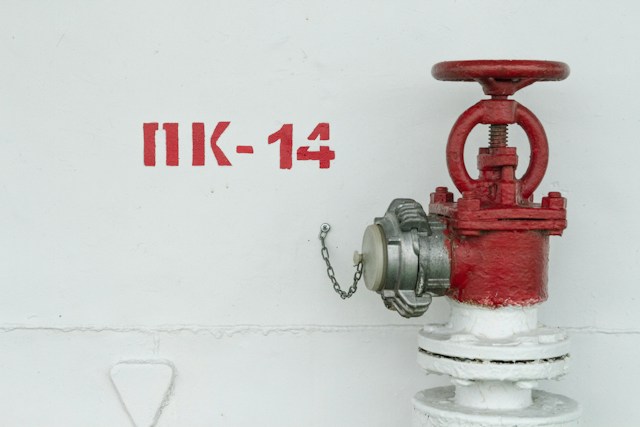
Most people think they’ve got a handle on how a fire sprinkler system works. Reality is, those ideas come straight from the movies; you know, the scene where the whole building erupts in a blaze of water every time one smoke detector goes off. The problem is, that image is completely and utterly wrong, and once you really understand how these systems work, it changes the way building owners think about putting them in, keeping them in good nick, and trusting them to do the job when it’s really needed. And in Australia right now, with AFAC’s 2024 report describing the fire risk environment as one of the toughest it’s ever been for firefighters and emergency responders, getting this right is more important than most people think it’s worth bothering with.
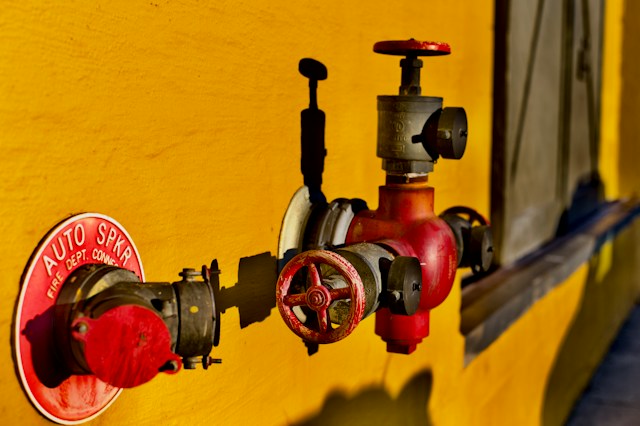
How Automatic Fire Sprinkler Systems Actually Work?
Each sprinkler head is basically an independent little heat-activated unit, consisting of a tiny glass bulb filled with a glycerin-based liquid. When a fire breaks out right beneath or close by a fire sprinkler system, that liquid starts expanding and, as a result, the bulb shatters and lets out water but only at that one head, and only if it’s in the direct line of heat. Which is a big deal, because, and this is worth repeating, it stops the water from spreading out all over the whole building, rather than just the bit of the building that’s actually on fire. And that, as you can probably guess, is a huge difference when it comes to what happens to the building and the cost of it all when a suppression event happens. The activation temperature can be set by looking at the colour of the liquid in that glass bulb, with different colours corresponding to different heat thresholds, so systems can be tailored to suit the specific conditions in different parts of a building. And here’s the best bit: no extra power is needed for the thing to work; just the water that comes from the building’s plumbing system or a dedicated fire pump, and the whole thing happens in the blink of an eye, measured in seconds, not minutes.
Types of Sprinkler Systems and Which Buildings They Suit
Wet pipe systems keep water permanently in the pipes and are the most common configuration for residential and commercial properties in Melbourne’s climate, where pipe freezing is not a concern. Dry pipe systems use pressurised nitrogen or air instead and are used in unheated spaces like car parks, cold stores and outdoor-covered areas. Pre-action systems require a two-step activation, a fire detection signal followed by heat at the sprinkler head, making them the standard for data centres, archives and storage facilities where accidental water discharge would cause severe secondary damage. Deluge systems open all heads simultaneously and are reserved for high-hazard industrial settings where a fast-moving fire requires immediate full-area suppression. Residential systems are smaller-diameter and lower-pressure than commercial configurations, designed specifically for the flow and pressure available from a standard residential water connection, which means a commercial system design cannot simply be scaled down for a home.
Australian Building Code Requirements and Compliance Obligations
The National Construction Code details the instances in which the installation of a fire sprinkler system becomes mandatory depending on building class, floor area, occupancy types and building heights. Generally, Class 2 apartment buildings and Class 3 residential care facilities need fire sprinkler systems, and the NCC has expanded the requirement for residential building stock in recent years more than what used to exist before. For the Class 5–9 category of commercial, industrial and public assembly buildings, the rules vary according to the size, height and use. The installation of a system should be done according to AS 2118, which is the Automatic Fire Sprinkler Systems: Design, Installation, Commissioning and Maintenance.
Why Routine Maintenance Is Not Optional?
An unmaintained fire sprinkler system cannot operate in the event of a fire irrespective of its original quality of installation. This is where many property owners fail to recognise their obligation to maintain. Regular inspection and testing are required for the fire sprinklers in accordance with the Australian Standards. In fact, corrosion of the sprinkler heads is very common in buildings located in coastal areas of Melbourne due to exposure to salty air, obstruction of sprinkler heads with paint during building renovation and movement of valves during building construction which does not get restored to their operating position.
What to Ask When Commissioning a New System?
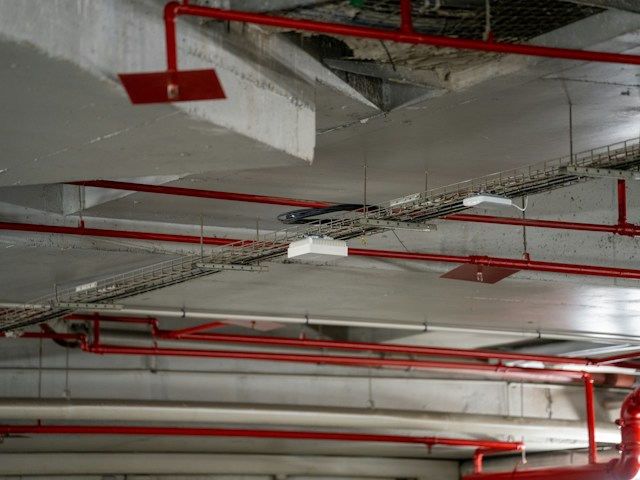
Is the fire sprinkler system to be designed according to the latest edition of AS 2118 and the latest NCC? Both AS 2118 and the NCC are subject to periodic revisions and an outdated design technique will fail to meet their requirements. Who are the FPAS-accredited fire protection practitioners responsible for the design and installation of your fire sprinkler system? It is the professional accreditation for fire protection practitioners in Australia. Do you know what the water supply requirement will be? There are many old buildings in inner Melbourne with low pressure and flow rates in water mains that will require a dedicated fire pump.
