

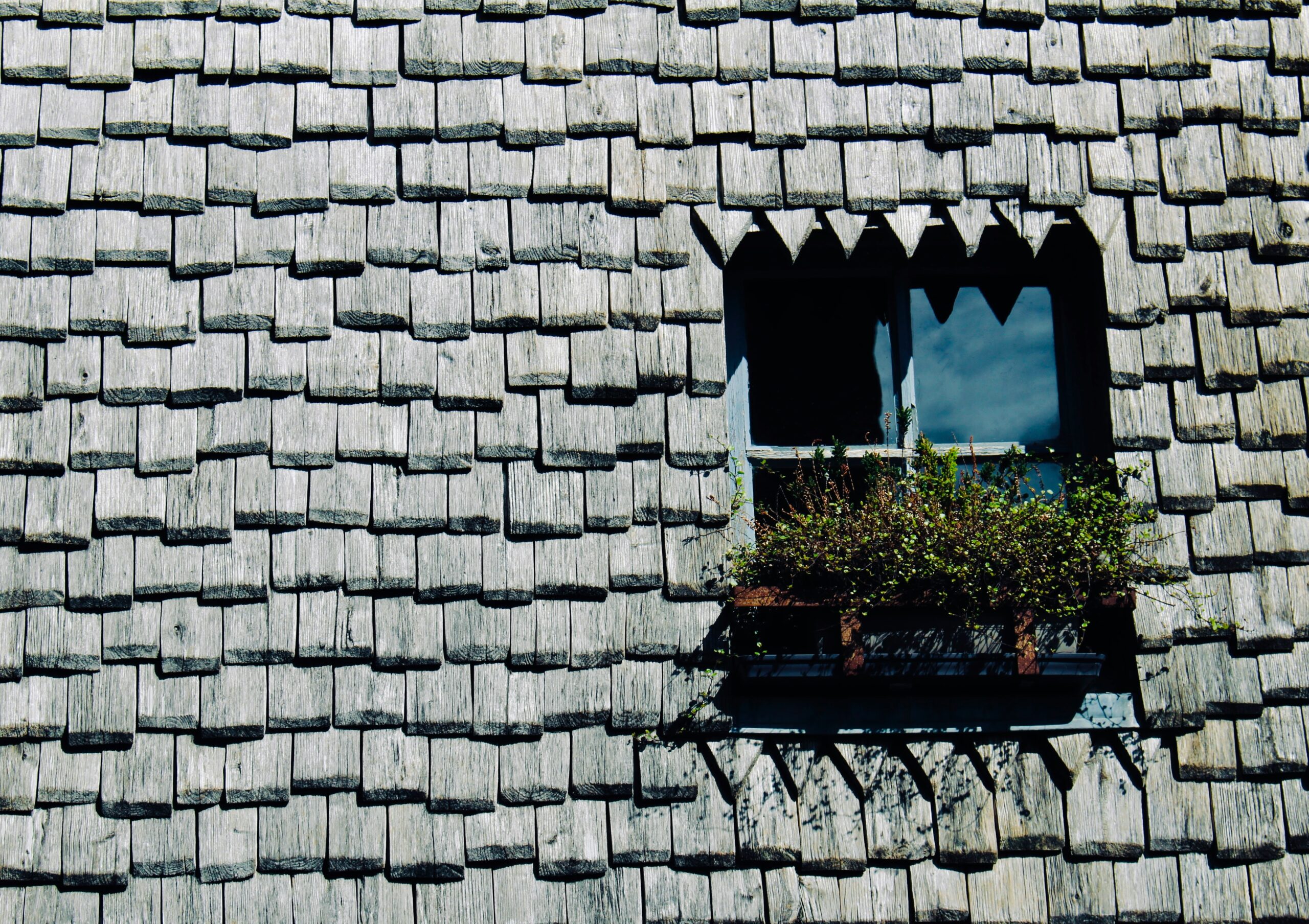
When it comes to roofing materials, few can rival the timeless elegance and durability of slate. This natural stone has been a favored choice for centuries, showcasing its beauty on homes from quaint cottages to grand estates. With its rich color variations and unique texture, a slate roof not only protects your home but also enhances its curb appeal.
However, like any valuable investment, a slate roof requires special care to maintain its stunning appearance and longevity. Whether you’re considering installing one or already have this stunning feature atop your home, understanding how to properly care for it is essential. Dive in as we explore the benefits of slate roofs and share practical tips for keeping them in top shape!
Benefits of a Slate Roof
Slate roofs are a remarkable choice for homeowners. Their natural beauty adds elegance to any building. Each slate tile has a unique texture and color, enhancing curb appeal.
Durability is another standout feature. Slate can last over a century with proper care. It withstands harsh weather conditions, from heavy rain to intense sun exposure. This longevity makes it cost-effective over time.
Fire resistance is an important benefit too. Unlike many roofing materials, slate doesn’t ignite easily. This quality provides peace of mind during wildfire seasons or in areas prone to high heat, influencing decisions about when to repair or replace a slate roof.
Additionally, slate roofs are environmentally friendly. Made from natural stone, they require minimal processing and pose no threat to the environment once installed.
Their low maintenance needs save you time and money long-term—an attractive proposition for busy homeowners seeking reliable roofing solutions!
Common Maintenance Issues with Slate Roofs
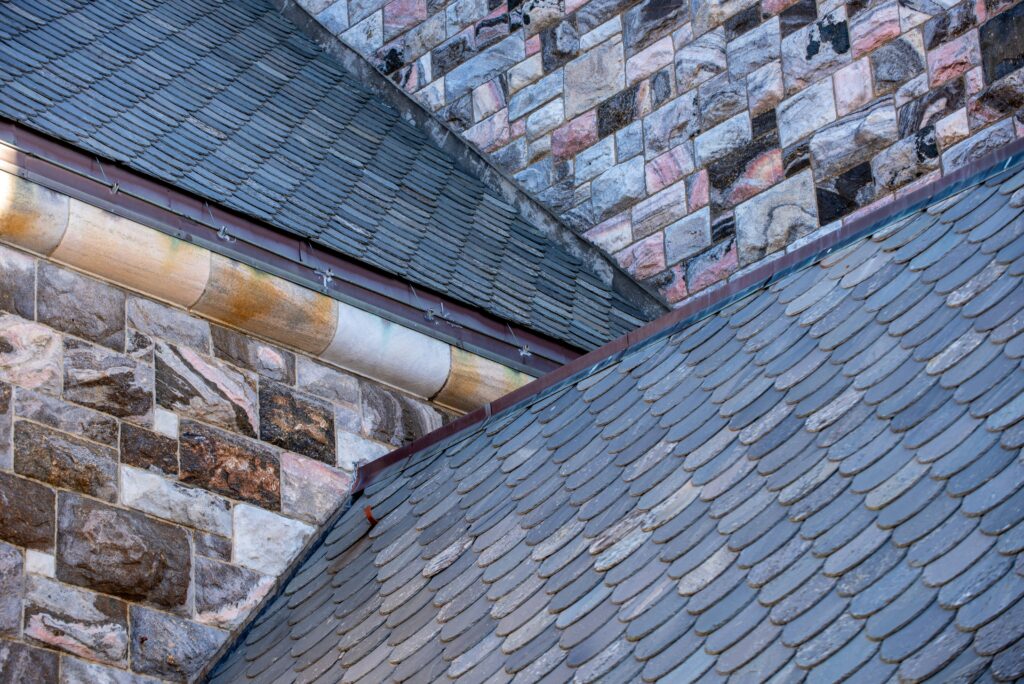
Slate roofs are renowned for their durability, but they can still encounter some common issues. One major concern is the accumulation of debris. Leaves, twigs, and dirt can trap moisture against the slates, leading to moss growth and potential leaks.
Another issue arises from broken or cracked slates. These damages may occur due to harsh weather conditions or improper installation. If left unattended, they can compromise the entire roofing system.
Flashing deterioration is another problem homeowners might face. The flashing seals roof joints and prevents water infiltration. When it wears out or becomes loose, it increases vulnerability to leaks.
Slate tiles may experience displacement over time. High winds or heavy snowfall can shift them from their original position. Regular checks help identify these problems early on and prevent more extensive damage down the line.
Regular Cleaning and Inspection Routine
To maintain the beauty and integrity of your slate roof, a regular cleaning and inspection routine is essential. Begin by removing debris such as leaves, twigs, and moss. These can trap moisture and lead to deterioration over time.
Schedule inspections at least twice a year—preferably in spring and fall. Look for broken or cracked slates that may need repair. Pay attention to valleys, where water flows; these areas are prone to clogs.
During inspections, check for any signs of wear on flashing or sealants around chimneys and vents. A small issue today could escalate into a significant problem tomorrow if left unattended.
Don’t hesitate to hire professionals if you’re uncomfortable getting onto your roof. Their expertise ensures nothing goes unnoticed while keeping you safe from potential hazards during the process of maintaining your slate roofing system.
Repairing and Replacing Damaged Slates
Repairing and replacing damaged slates is an essential part of maintaining the integrity of your slate roof. Even though slate is renowned for its durability, accidents happen. Weather events can dislodge or crack slates, leading to potential leaks and further damage if not addressed promptly.
When you notice a damaged slate, it’s important to assess the extent of the problem. Minor cracks might be easily repaired with proper sealants designed for stone materials. For more significant issues—like missing or completely broken slates—a replacement may be necessary.
If you’re comfortable with DIY projects, you can replace individual slates yourself. Make sure to follow safety guidelines when working on a roof. Always use appropriate ladders and harnesses if needed. When selecting new slate tiles, try to match them as closely as possible in color and thickness to maintain visual harmony.
However, many homeowners find it beneficial to hire a professional roofer specializing in slate work for this type of repair. Skilled contractors have experience handling these unique materials and can ensure that replacements are done correctly without compromising the overall structure.
Regular checks after storms or severe weather conditions will help catch any issues before they escalate into bigger problems down the line. Staying proactive about repairs keeps your slate roof looking beautiful while safeguarding your home against water damage.
Maintaining your slate roof requires attention but pays off significantly over time by extending its lifespan and preserving its charm.
