

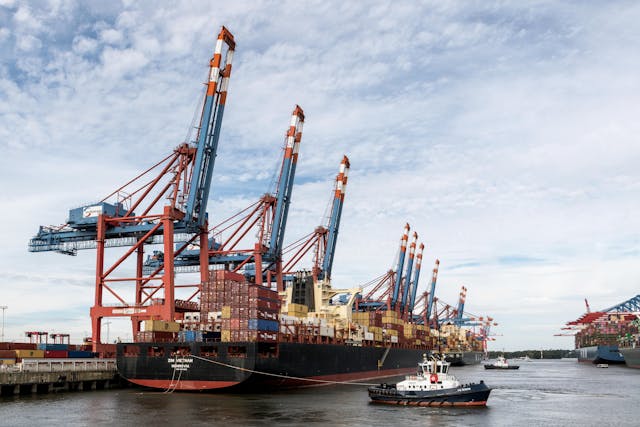
The transportation of goods is a basic aspect of the modern trade and the economy. Products reach warehouses, markets and businesses to customers each day. The industries would not be able to deliver products on time and run their operations in a steady manner without having reliable transportation systems. Movement of goods links the producers to the consumers and makes sure that such necessities as food, materials, and manufactured goods are visible where they are required. Goods transportation is an essential part of the work of both local and global economies by favoring supply chains and creating an efficient distribution of goods.
Supply Chains and Business Development.
A smooth supply chain is among the most crucial operations of goods transport. Companies rely on the steady flow of material and complete products to ensure the process of production and sales run smoothly. The manufacturers require raw materials to be shipped to factories and the retailers require shipments to fill their shelves on time.
The transportation made efficient reduces delays in businesses and ensures that the businesses manage their inventory in a better way. Companies can also have constant availability of goods when they flow in a reliable manner between suppliers, warehouses and customers. This does not only enhance customer satisfaction but also enables businesses to diversify their business to other markets.
Transportation is of special essence to industries like agriculture and food production since most of the products are perishable. Several foods such as fresh produce, dairy products, and seafoods should be Atlas Transport Melbourne promptly and with care in order to retain their quality. Effective logistic systems make sure that these products are delivered to the consumers safely and in proper conditions.
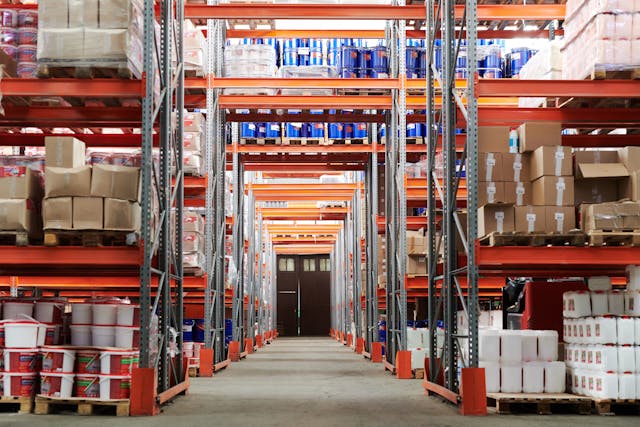
Various Modes of Goods Transportation.
The goods transportation may occur in a number of various ways based on the distance, price, and nature of the cargo being provided. Short-to-medium distances Road transport is extensively utilized since it has direct access to warehouses, stores, and homes. Trucks and delivery vehicles are flexible and they are necessary in last-mile delivery.
Bulky or heavy goods that have to cover long distances are usually transported by rail transport. Train can easily transport huge volumes of materials including coal, minerals, and industrial products. The rail systems can also be used to connect the major cities and the industrial regions.
The sea transport is also significant in international trade. Shipping through the oceans is one of the most economical ways of shipping goods worldwide due to the cargo ships that transport high cargo volumes. Air transport, which is more costly, is employed when urgent or high values goods need to be delivered and including medical supplies or electronic products to be delivered fast.
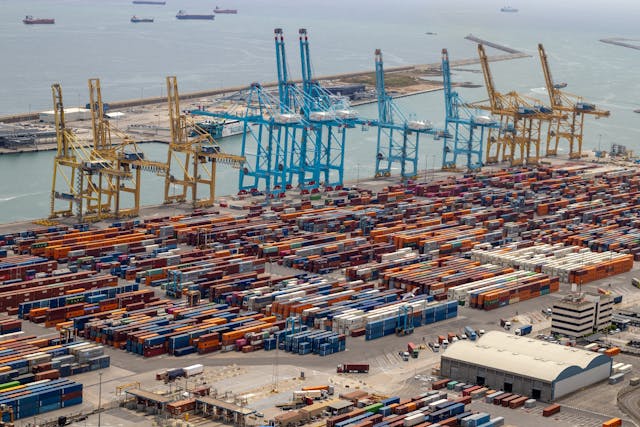
Better Logistics by Technology.
Transportation of goods has been made very efficient with the help of modern technology. Online tracking services have enabled companies to track shipments on real-time basis, which they update on the location, delivery schedule, and potential delays. This exposure assists companies to strategize their activities better and react promptly in case of problems.
Transport optimization with the use of logistics software can also be used to analyze the conditions of traffic and delivery schedule, as well as fuel consumption. Such tools enable transport businesses to save on time and resources and ensure that their deliveries are reliable.
Moreover, a lot of organizations are implementing more sustainable transportation. Emission-reduced vehicles, better route planning, and logistic strategies of environmental friendly are used to reduce the emissions and retain efficiency in a delivery system. The movement of the commodities is also changing with improved planning and technology that is more efficient in aiding the businesses and the international trade.
