

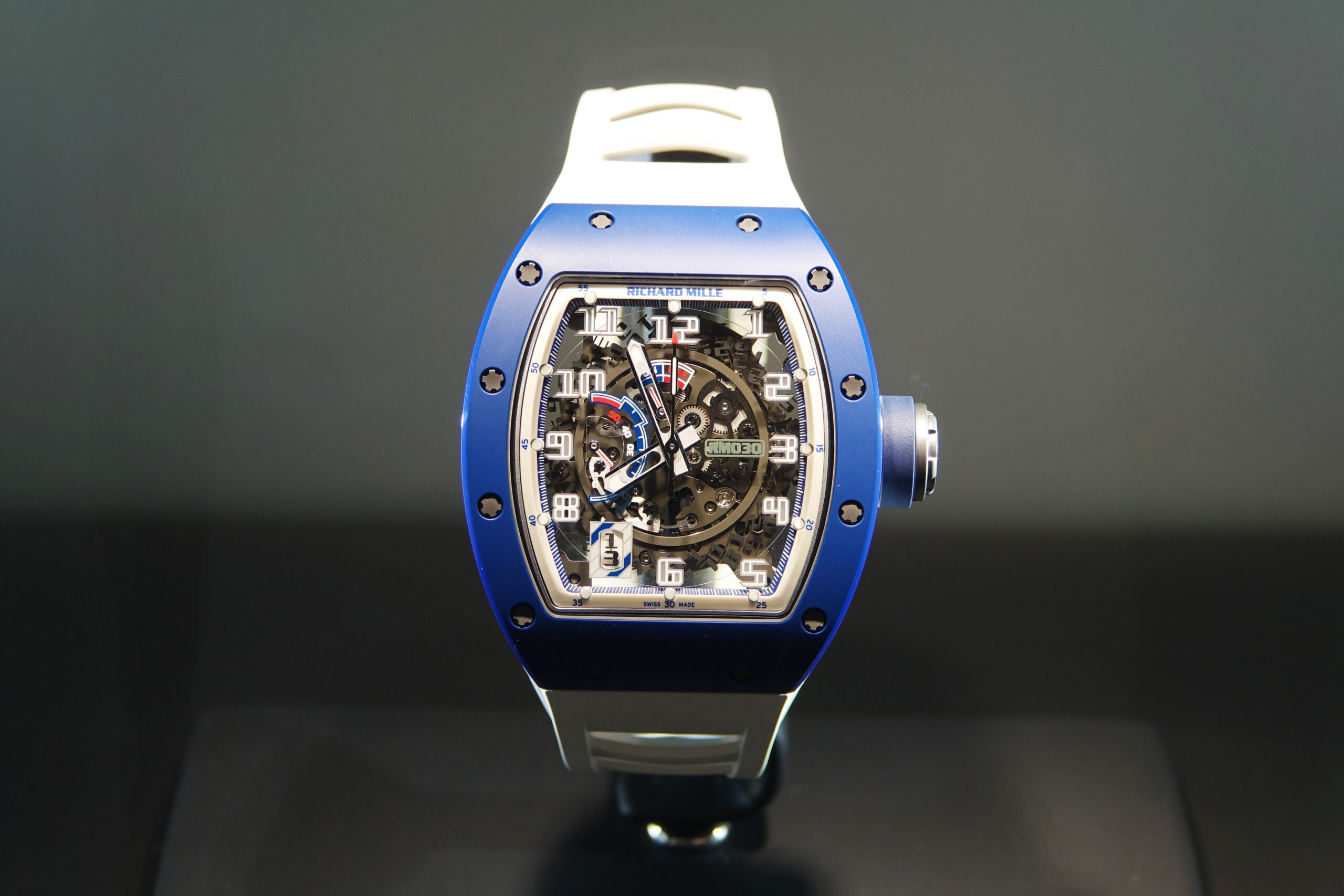
A Richard Mille is not a watch that quietly sits in a safe. It is a proclamation of what the buyer prizes, engineering, exclusivity, and the specific type of prestige that high-end mechanical complexity conveys. The reverse is also true when the time arrives to sell one in Australia. That means knowing precisely where the value resides, which selling path is appropriate for the circumstances, and what can potentially go awry in a transaction of this magnitude. The distinction between a well-handled sale and a mishandled one can be tens of thousands of dollars.
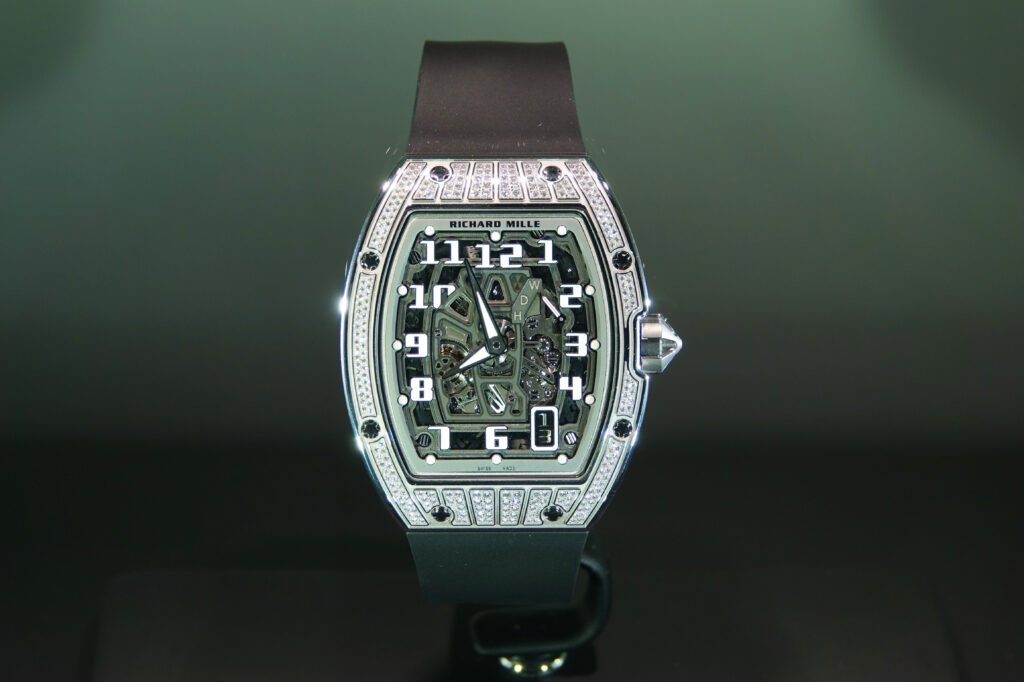
Why Some References Hold and Others Don’t?
When considering the second-hand market, all models do not carry equal value, remember that before thinking of “How can I sell my Richard Mille for cash in Australia?”. Special editions, such as the limited-edition RM 27-04 model built with the specifications needed for Rafael Nadal’s wrist, and the RM 055 Bubba Watson, featuring its skeletonised movement, tend to fetch a higher price because they have become increasingly rare. The reason is simple. Demand is finite, and supply is limited.
For regular models sold in mint condition, however, the story is somewhat different. An RM 010 and RM 011 in perfect shape, complete with box and papers from an official seller, may fetch a good price. The range in prices is still quite wide.
Condition, documentation, and current global demand influence what the Australian market will pay. The Australian market is not independent of Geneva auction results, US grey market pricing, or Hong Kong dealer inventory levels. Provenance matters. A Richard Mille sold through an authorised dealer with the complete paper trail is worth more than the same reference acquired through grey market channels, because the burden of authentication on the buyer is lower.
The Three Selling Routes and Their Trade-Offs
For Australian sellers, the realistic options are specialist dealers, auction houses, and private sales. Each caters to a different seller profile. Specialist dealers, such as The Watch Buyer and Watch Kingdom, offer speed and transactional security. The offer is made within 24 to 48 hours of authentication, payment clears promptly, and the seller is not exposed to market risk once the deal is done. The trade-off is that the dealer margin is built into the offer rather than added as a separate cost.
Auction houses can achieve the ceiling price for the top references. Commission, typically five to 20 per cent of the hammer price, and a timeline measured in months rather than days should be expected. A truly exceptional RM 011 in perfect condition with the full box and papers may justify the wait if the difference between an outright dealer offer and the auction result is substantial. The commission structure, however, is a reminder that the final numbers are not always as favourable as they first appear.
Private sales carry the highest potential return and the highest risk. The seller has no established network to find a buyer with the capital and willingness to pay full market price without the protection of a professional transaction structure. This exposure to fraud is not hypothetical. High-value private watch transactions have experienced chargeback fraud, false payment confirmations, and forged bank documents.
What Does Documentation Do to the Price?
A Richard Mille is not sold only with a box and papers. The box and papers are a material part of the total purchase price. When complete sets are compared with incomplete sets, dealer data from WristWorks and Watch Kingdom in Australia show that complete sets sell for a ten to fifteen per cent premium, depending on the reference. You begin negotiations from a stronger position when you can provide the original purchase receipt, service records from authorised service centres, and quality photographs taken in natural light from multiple angles.
Even if the seller does not have the full set, a sale is still possible. The dealer will discount the offer to reflect the burden of authentication and provenance. Always leave the case unpolished before a sale. Polishing removes the original factory finish and alters the geometry of the case over time. That will reduce an offer rather than increase it. Buyers want to see the original condition, even if the case shows honest wear.
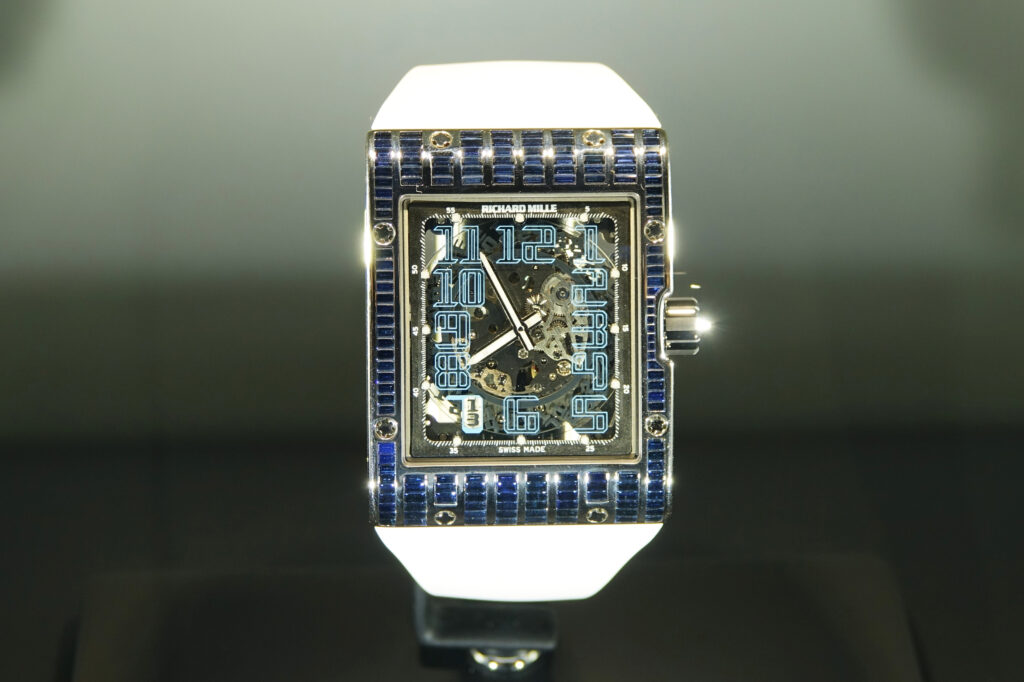
Protecting the Transaction in Australia
The geography of Australia presents a particular challenge. Face-to-face handover, the safest transaction format, is straightforward in Sydney or Melbourne. For a seller in Brisbane, Perth, or regional Australia dealing with a buyer in another state, reputable dealers generally use insured shipping through carriers such as FedEx or, in some cases, armoured courier pickup. Reputable sellers describe their secure shipping processes on The Watch Buyer’s website. The principle that applies across every transaction is simple. Payment must clear before the watch leaves the seller’s possession. A confirmation email or a bank transfer that is still pending is not proof of cleared funds.
The first step is to ensure the business is a licensed, registered entity in Australia. The law imposes obligations on a licensed dealer that do not apply to a private buyer. For a watch valued at $80,000 or more, that legal framework is worth more than any promised premium from an unknown buyer on a marketplace platform. In the Australian pre-owned Richard Mille market, those who are prepared reap the rewards. Sellers who know their reference, maintain their documentation, and choose the right selling channel do not leave money on the table.
