

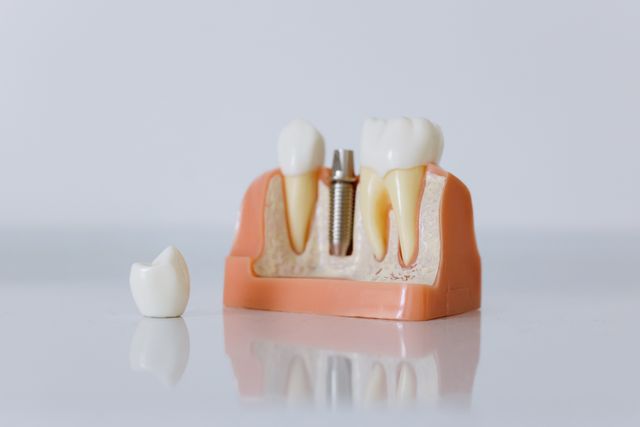
Dental implants are often regarded as a near fool proof way to replace missing teeth, but the reality is that the success of an implant depends heavily on the state of your jawbone. Since the moment a tooth falls out, the bone that was once supporting it starts to shrink away because it’s no longer getting the sort of stimulation that happens when you chew. Research has shown that the area around the missing tooth, the alveolar ridge, can shrink by up to 25% within the first year of being without a tooth.
Why Does Adequate Bone Volume Matter for Implant Stability?
Dental implants work by sort of attaching to your jawbone. The titanium does this through a process called osseointegration where the implant essentially fuses with the bone. The problem is that if the bone is too thin or too weak, the implant is at risk of not being stable. That puts you at a higher risk of the whole thing failing in the long run. Implants have been shown to have some great long-term results. A 2026 study found that implants had a 20-year success rate of nearly 93%. That all depends on picking the right patient and having enough bone to work with. Most of the time, a doctor’s going to want to use a 3d image to see just how much bone they’re looking at. In many Australian practices, including consultations with a dentist Chester Hill, CBCT imaging is routinely used to determine whether the existing jawbone can safely support an implant without augmentation.
When Does Bone Grafting Usually Come into Play?
The most common reason people need bone grafting is because of how much the bone just shrinks away when a tooth is gone. The longer it’s been missing, the worse the bone loss is going to be. People who have been wearing dentures for years often have a really low bone count, especially in the upper jaw. There are people who have gum disease problems. Infection can just eat away at the supporting bone and before you know it you’ve got to extract the tooth. The bone is shot.
Does Bone Grafting Actually Help with Implant Success Rates?
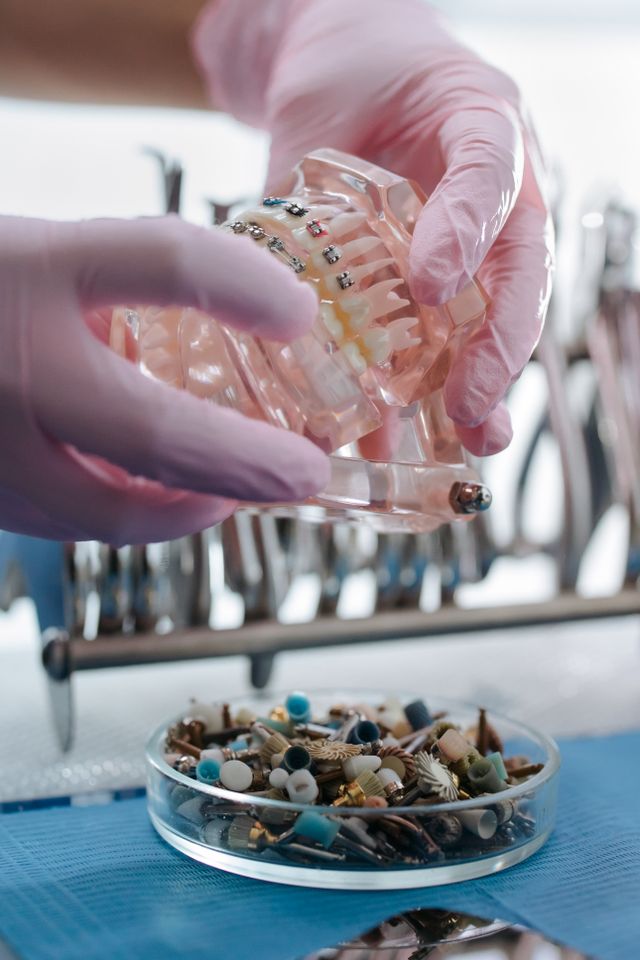
So the main reason for bone grafting isn’t just to add a bit more bone to the mix but to make it strong enough that the dentist can put in an implant without worrying about it coming loose over time. And to be honest, most studies show that if you do bone grafting properly it tends to have good results. One study looked at over 2,700 implants and found that over 10 years the success rate for implants that were put in without grafting was 87%. With grafting it was 79%. An Australian study found that when they put in a new bone at the same time as the implant, the success rate was an astonishing 97.95%. That’s almost as good as if they’d just put the implant in without grafting.
Factors That Can Influence Whether a Bone Graft Is Recommended
Just having a limited amount of bone isn’t necessarily enough to decide that a graft is needed. Other factors that really count when it comes to planning treatment are how healthy the patient is, whether they smoke and how well they manage their diabetes, plus the state of their oral hygiene. Research has shown that smoking is a major risk factor. Smoking can more than double the chances of implant failure compared to non-smokers. Studies on bone grafts have found that diabetes is a big problem when it comes to whether or not a graft will succeed or fail.
Evaluating Whether a Bone Graft Is Really Needed
Bone grafting is often recommended, but it shouldn’t be seen as just a standard part of every implant case. Advances in implant design, such as using shorter and narrower implants, have actually made it less necessary in some cases for patients to get a graft. If you try to avoid grafting when there is a really substantial amount of bone loss you may end up compromising on the positioning of the implant, the way it looks and its long-term stability. The evidence all shows that bone grafting remains a valuable tool when you just don’t have enough bone to go around. Implant survival rates at sites where a graft has been used are usually over 90% these days. Grafting can often be the only way to treat patients who wouldn’t be able to get implants otherwise.
