

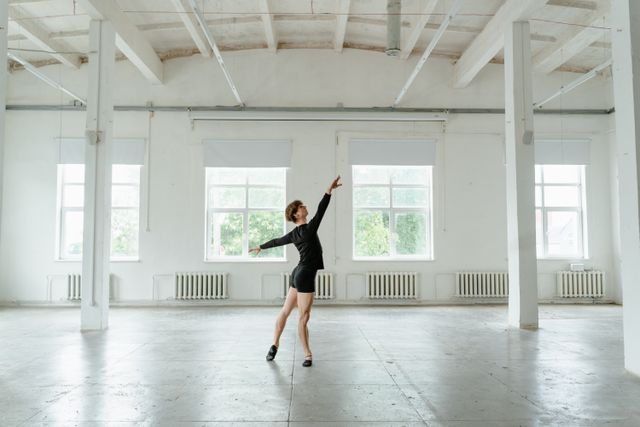
Some enquiries begin in frustration rather than curiosity. In the broader Melbourne arts community, where dancers of all ages and backgrounds are seeking a home to move to, the issue may already have been part of people’s daily routines, future plans or confidence in the property. Most learners who want more than a casual workout need more than a quick answer; they need a practical approach to determine what counts, what can wait, and what must be handled properly.
When the problem of obtaining training that is disciplined but still alive with personality can no longer be ignored, people often turn for melbourne dance studio. The best answer takes class make-up, music choices, performance goals, teacher experience, posture, stamina and creative confidence into account and then recommends a path.
Read the Room Before You Make a Move
Early decisions matter more than most people think. A tiny assumption about access, materials, safety, layout or performance can become a costly change later on. That is why the first step should bring clarity, not merely momentum. A little patience at the beginning can save a lot bigger headache down the road.
Where Practical Discernment Counts
A lot of weak ideas begin to show themselves in the middle of the job. Good teaching, room for expression, keeps the job steady, each step with purpose. That consistency is crucial because complexity becomes a succession of manageable decisions.
Planning for everyday use
Comfort and practicality are often in the minor nuances. A finish that’s easy to clean, access, inspect, operate, or alter might make the whole decision seem better. People won’t notice every element in isolation, but they will notice the sense of ease that those nuances collectively generate.
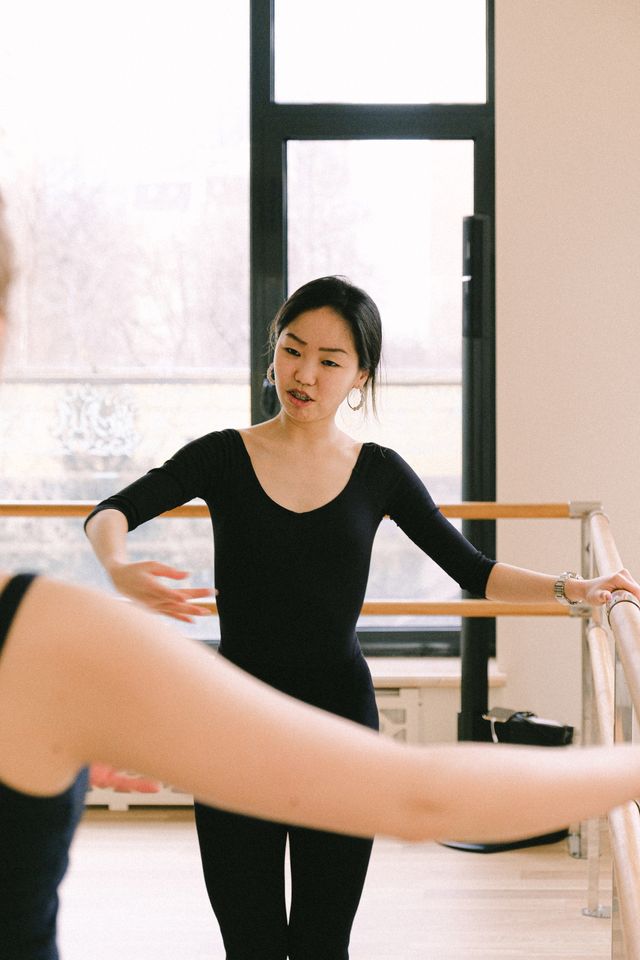
A result with a sense of finality
A good finish also respects the time individuals have already spent in making the decision. The notion is that students develop skills while holding on to their individual styles, and the better the preparation, the less likely the owner is to run into avoidable irritation down the road.
Useful work doesn’t have to be noisy. It has to be concrete. If the explanation is nearer to the true scenario, the result feels more honest and the service is easier to understand.
Another point is how the variety of the class might affect confidence before even seeing the whole pattern. For learners who want more than a casual workout, a decision that takes into account the issue of finding training that’s structured but still alive with personality is less likely to become a recurring cost or a source of frustration. This is where pairing excellent teaching with room for expression becomes more than a technical step; it becomes a practical protection for the way the space, product, or procedure will be used afterward.
There is a timing problem, too. Go too fast and you make mistakes; go too slow and the problem of finding instruction that is structured but alive with personality becomes tougher to manage.” A good compromise is to collect enough facts to determine what the most important result is and then act with purpose. For learners seeking more than a casual workout, such balance can mean fewer interruptions, fewer surprise charges and a result that feels more managed.
