

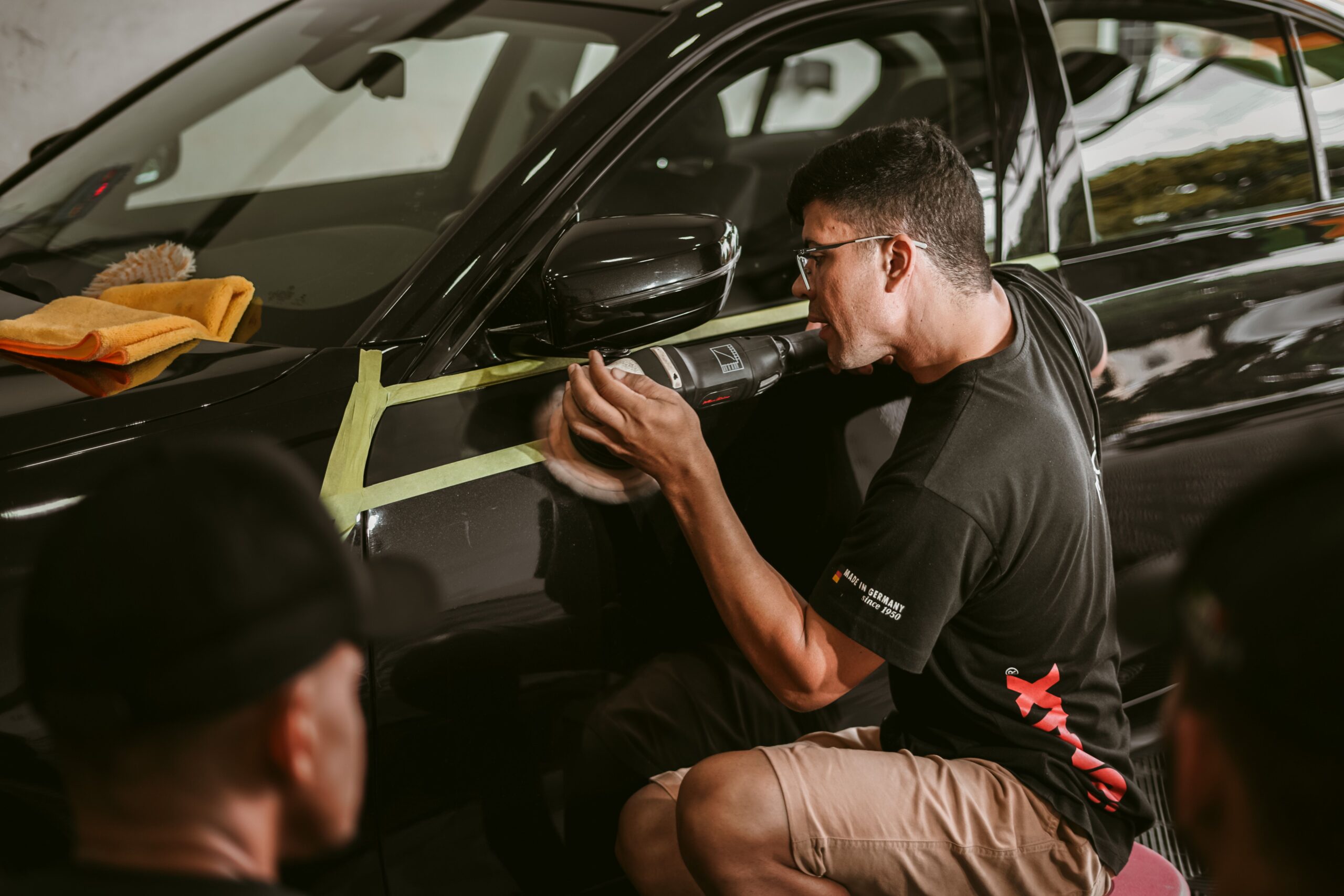
Cars are more than just a mode of transportation; they’re an expression of our style, personality, and lifestyle. For many car owners, maintaining that fresh-off-the-dealership look is a top priority. That’s where paint protection film (PPF) comes into play. This revolutionary product has gained immense popularity among auto enthusiasts and everyday drivers alike. But what makes it such a must-have accessory? Let’s dive into the world of paint protection film and explore why so many car owners swear by it for keeping their vehicles looking pristine.
What is a Paint Protection Film?
Paint protection film is a transparent, durable urethane layer designed to shield your vehicle’s exterior. This thin, flexible material adheres directly to the paint surface, creating an invisible barrier against various environmental threats.
Originally developed for military applications, paint protection film has transitioned into the automotive industry and gained popularity among car enthusiasts. Its primary goal is to protect the painted surfaces from scratches, chips, and stains caused by road debris or harsh weather conditions.
The film’s self-healing properties are particularly impressive. Minor scratches can disappear when exposed to heat from the sun or even hot water. With this technology, your car retains its showroom shine while standing up against daily wear and tear.
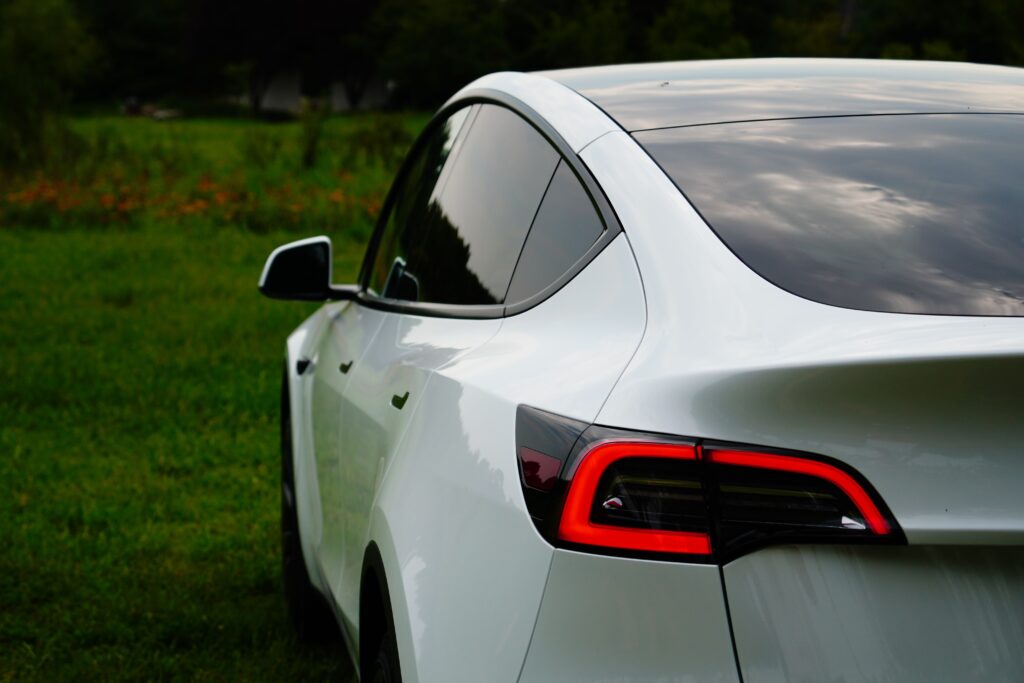
Available in different finishes—glossy or matte—paint protection film caters to various aesthetic preferences without compromising on functionality. The result? A clean look with superior protection that keeps your vehicle looking new longer.
Benefits of Using Paint Protection Film
Paint protection film offers a myriad of advantages for car owners. First and foremost, it shields your vehicle’s paint from scratches, chips, and environmental damage. Everyday hazards like road debris or bird droppings can wreak havoc on your car’s exterior, but this film acts as a reliable barrier.
Another significant benefit is its ability to resist UV rays. Prolonged exposure to sunlight can fade your vehicle’s color over time. With paint protection film in place, you keep that vibrant finish intact much longer.
The self-healing properties of some films mean minor scratches vanish with heat or sunlight exposure. This keeps the surface looking fresh without requiring constant maintenance.
Applying paint protection film enhances resale value. A well-maintained appearance attracts buyers and can command higher prices in the competitive market. Investing now pays off later when it’s time to sell or trade-in your vehicle.
Different Types of Paint Protection Film
When it comes to paint protection film, variety is key. There are several types designed to meet different needs and preferences.
Self-healing films are popular for their ability to repair minor scratches over time. If a small scratch occurs, the heat from the sun or even your car’s engine can help the film return to its original state.
Matte finish films offer a unique aesthetic appeal. They give vehicles a sleek, non-reflective look while still protecting against dirt and debris.
Transparent films maintain your car’s original color while providing robust protection against UV rays and environmental contaminants. These are ideal for those who want invisibility with maximum safeguarding.
For off-road enthusiasts, there are specialized heavy-duty options that resist chips and abrasions better than standard varieties. This type stands up well against harsher conditions.
With so many choices available, it’s easy for vehicle owners to find the perfect fit for their cars’ styles and lifestyles.
How to Apply and Maintain Paint Protection Film
Applying paint protection film requires careful preparation. Start by thoroughly washing your car to remove any dirt or debris. This ensures a smooth application and helps the film adhere better.
Once clean, use a clay bar to eliminate any remaining contaminants on the surface. You want the area as pristine as possible for optimal results.
Next, measure and cut the film to fit specific areas of your vehicle. Make sure you have sharp tools handy for precise cuts. When applying, use a solution of water and soap in a spray bottle to help position the film without bubbles.
After installation, maintain it with gentle cleaners designed for automotive surfaces. Avoid abrasive materials that could scratch or damage the film’s integrity.
Regularly inspect edges for lifting or peeling and address these spots promptly to keep everything secure and looking fresh.
The Cost of Paint Protection Film vs. Repainting a Car
When weighing the cost of paint protection film versus repainting a car, it’s essential to consider both short-term and long-term expenses. Applying paint protection film can be viewed as an investment in your vehicle’s appearance and longevity. While the upfront costs may seem higher than a simple repaint job, they often pay off over time.
Repainting a car typically involves considerable labor and materials. It can range from several hundred to thousands of dollars, depending on the quality of the paint used and the extent of the work needed. Plus, once you go down that route, there’s always a chance you’ll need to touch up or repaint again after some years due to wear and tear.
On the other hand, high-quality paint protection films are designed to withstand scratches, chips, UV rays, and environmental hazards. Many products come with warranties ranging from five years to even lifetime guarantees against yellowing or cracking. This means fewer worries about damage leading you back into expensive repair territory.
Moreover, if your vehicle is ever sold or traded in later on down the road, having well-maintained original paint protected by film will likely enhance its resale value significantly compared to one that has been repainted multiple times.
Ultimately for many car owners who prioritize maintaining their vehicle’s aesthetics while also safeguarding it from everyday hazards—paint protection film emerges as an economical choice when weighed against potential future repainting costs.
