

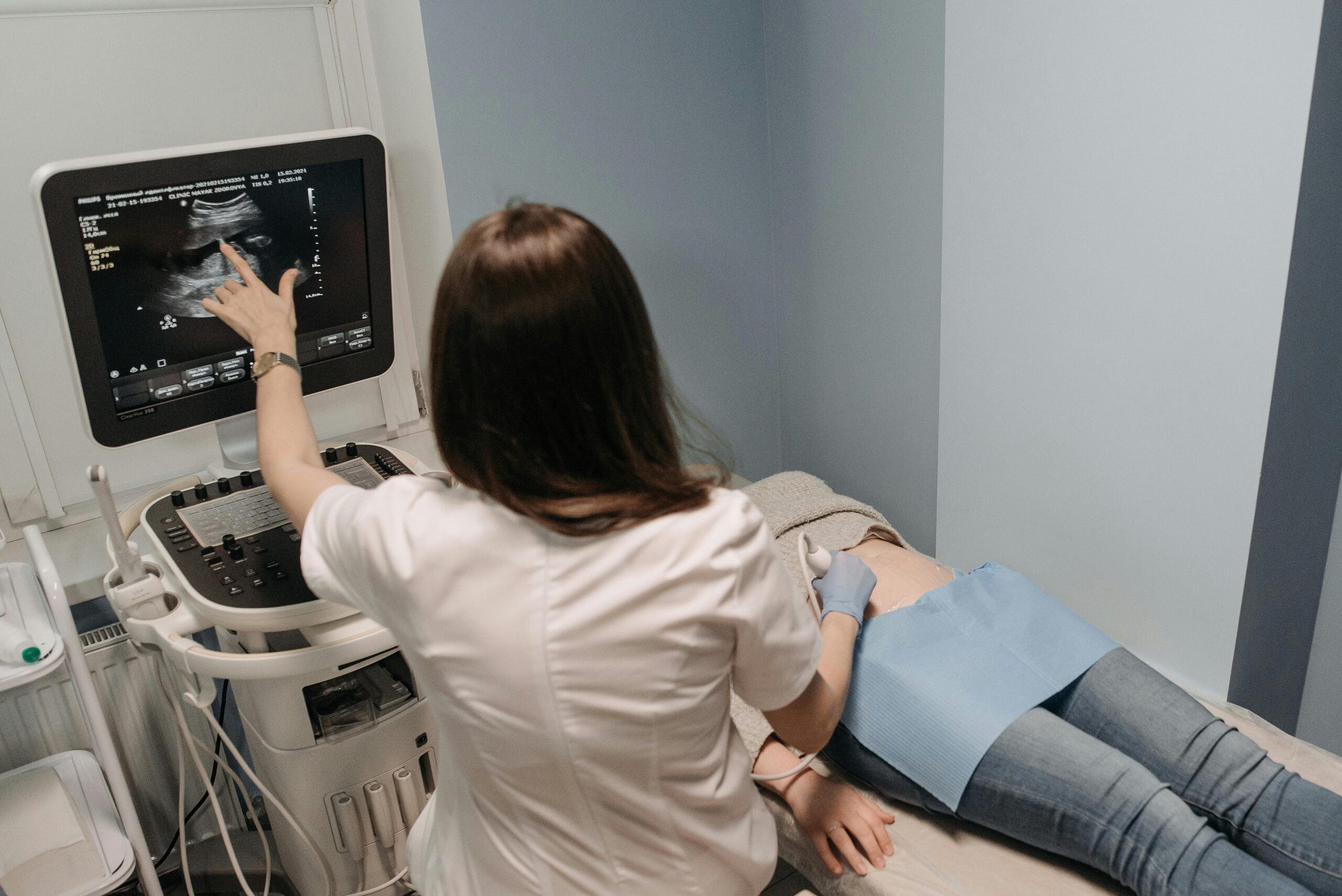
Women’s health is a vital aspect of overall well-being, yet it often gets overshadowed by other healthcare topics. From the teenage years to adulthood and beyond, women experience unique changes that require specialized attention. Whether it’s navigating puberty or dealing with menopause, understanding these shifts is crucial for maintaining health and happiness.
Specialist women’s care addresses not just physical needs but emotional ones too. It empowers women at every stage of life to make informed decisions about their health. The journey through womanhood can be complex, but having expert guidance makes all the difference. Let’s explore why prioritizing specialist care is essential as we navigate the various stages of life together.
The Importance of Specialist Women’s Care
Specialist women’s care is crucial in addressing the unique health needs of females. Women’s bodies go through various changes that often require tailored medical attention.
General healthcare providers may not always be equipped with the specific knowledge needed to navigate these complexities. A specialist can provide insights into conditions like polycystic ovary syndrome (PCOS), endometriosis, and fibroids, which commonly affect women.
Moreover, specialists take a holistic approach to treatment. They consider lifestyle factors, emotional health, and reproductive goals when creating care plans. This personalized touch enhances the overall experience. Just as you would browse horse rugs designed for all seasons to keep your horse comfortable year round, choosing the right specialist ensures consistent and appropriate care for every stage of life.
Accessing specialized care empowers women to make informed decisions about their health. It fosters open communication and builds trust between patients and providers—essential elements for effective treatment outcomes. Regular visits can lead to early detection of potential issues, improving long-term well-being significantly.
Different Stages of Womanhood
Every stage of womanhood brings unique experiences and challenges. From adolescence to adulthood, each phase shapes a woman’s identity.
During puberty, girls navigate physical changes and emotional ups and downs. It’s a time of self-discovery and exploring individuality.
Entering the reproductive years often means managing menstrual cycles, fertility awareness, and perhaps family planning. This period can be joyful yet complicated as women balance careers, relationships, and health.
Pregnancy introduces new dynamics—both exciting and daunting. The body undergoes profound transformations while preparing for motherhood.
As life progresses into middle age, many face the beginnings of perimenopause—a transition filled with hormonal fluctuations that can affect mood and well-being.
Each chapter is significant in its own right. Understanding these stages helps women seek appropriate care tailored to their needs at every turn in their journey through life.
Pregnancy and Postpartum Care
Pregnancy is a beautiful yet complex journey. During these nine months, a woman’s body undergoes significant changes. Regular check-ups with a specialist ensure both mother and baby remain healthy.
Postpartum care is equally important. After giving birth, mothers face physical and emotional challenges that can be overwhelming. Support from healthcare providers can help navigate these issues effectively.
Breastfeeding support is crucial as well. Specialists provide guidance on proper techniques, addressing any concerns that arise during this time.
Mental health shouldn’t be overlooked either. Many women experience mood swings or postpartum depression after childbirth. Accessing the right resources can make all the difference in recovery and adjustment to motherhood.
Specialized care tailored for pregnancy and postpartum enables women to thrive during this transformative phase of life. It fosters confidence while ensuring that every aspect of their health is prioritized.
Menopause and Hormonal Changes
Menopause marks a significant transition in a woman’s life. It is when the ovaries cease to produce eggs, leading to hormonal changes that can affect overall health and well-being. This phase typically begins between the ages of 45 and 55, although every woman’s experience is unique.
During menopause, many women face symptoms like hot flashes, night sweats, mood swings, and sleep disturbances. These changes can be challenging both physically and emotionally. Seeking specialist women’s care during this time can provide valuable support and guidance.
Healthcare providers with expertise in menopause understand these challenges deeply. They offer various treatment options tailored to individual needs—whether it’s hormone replacement therapy or natural remedies for symptom relief. A knowledgeable provider will also address long-term health considerations such as bone density loss or cardiovascular risks associated with aging.
Navigating this stage of life doesn’t have to be daunting. Women who prioritize their health through regular check-ups often find they manage symptoms more effectively while maintaining a higher quality of life.
Specialist women’s care remains crucial throughout all stages of womanhood—from adolescence through pregnancy and into menopause. Embracing these healthcare resources empowers women to take charge of their health journeys confidently at every turn.
