

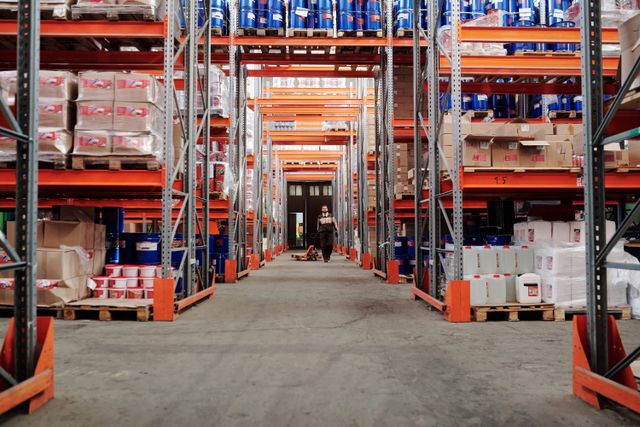
According to data released by the ABS in June 2026, 59 per cent of Australian businesses experienced supply chain disruptions in 2024-25. Fifteen per cent of them said that such disruptions had significantly affected their business performance. For online brands, disruption almost never comes in a single hit; it comes as late containers and skipped collections. Consumers never see the reason, but rather they see a delivery that was late or contained the wrong thing. Hence, who packs the order becomes much more important than many brands initially realise.
The Importance Of Packing Orders To Run The Business
Most online brands usually start off their fulfilment process in a spare room, garage, or corner office space. Such an arrangement can continue comfortably until the number of orders rises and leaves no evenings for labelling and packing. Often the cost of such an approach remains hidden in the lost time spent instead of marketing, planning products, and providing support to customers. Packing errors caused by tired employees mean either a refund or reshipping of the order.
Sales peaks tend to reveal such a situation as soon as possible, since Click Frenzy, Black Friday, Christmas, and EOFY are compressed into a short period of time. An approach to ecommerce fulfilment Melbourne working well with regular weeks might fail terribly when those periods come.
Disruption Is Inevitable, So Fulfilment Needs To Adapt To It
This information makes a significant difference to how the process of fulfilment should be evaluated, since being fast on a quiet day does not prove anything. Resilience usually requires certain practical approaches implemented well in advance:
- Stock buffer on the best-selling products, based on realistic shipping delays rather than optimistic ones.
- Several carriers available in case a network disruption prevents dispatching all the orders.
- Cut-off times for dispatch are reachable even during a hectic time.
- Promotions schedule is known in advance so that labour and packing are already in place.
Melbourne’s Geography And Delivery Times
The geographical location of Melbourne makes the city ideal for dispatching products across the country via truck transport with existing links to Sydney, Adelaide and Brisbane. Naturally, regional and remote deliveries take more time, and deliveries to Tasmania need to cross Bass Strait. The delivery times estimated at the checkout stage help to set reasonable expectations for customers from other parts of the country.
These estimates also carry legal weight given the ongoing interest of the ACCC in online retail businesses and their practices. There have been some cases of retailers fined for their misleading representation of delivery time frames. It may be unwise to promise delivery in two days but regularly deliver goods in six days.
Questions Worth Asking Before Trusting The Partner With Your Brand
Some questions will allow outsourcing ecommerce fulfilment in Melbourne effectively:
- Is the software integrated with Shopify or WooCommerce? Is tracking returned to customers automatically?
- How is the picking accuracy measured? How are errors reported back to the brand?
- Are there any minimum order volumes? Are there any onboarding and volume-dependent charges?
- What happens when a promotion results in a surge in order volumes with little time?
- Are there any customisation possibilities and are recyclable materials available for eco-friendly brands?
Unboxing, Returns And The Information Customers Remember
There is no other way of contact with an online brand apart from a parcel for many customers. Well-packed, neatly presented goods with a well-placed insert often make a big difference. Poorly packed or loose items rattling in the box could spoil the effect of months of marketing.
Australian Consumer Law sets out clear guidelines for the process of return and refund. It is important to remember the details here. If there is a major fault, the consumer may choose either replacement or full refund. Minor failures may be resolved through repair, replacement or refund, depending on the choice made by the business. However, a change of mind return is optional unless the business promises otherwise.
