

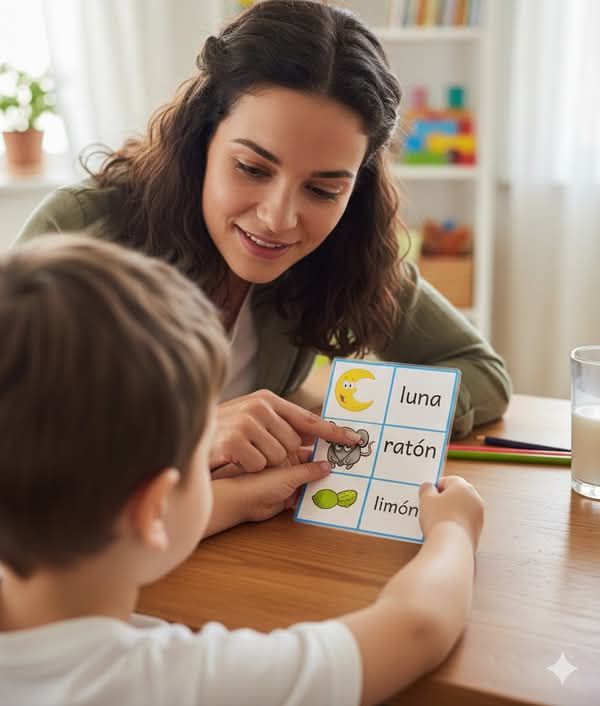
Early education is a critical foundation that shapes a child’s future. It’s during these formative years that young minds are most receptive to learning, exploration, and creativity. As parents and educators, we strive to cultivate an environment where children can thrive academically and socially. One powerful tool in this educational toolkit is personalized reading. This dynamic approach tailors stories to fit each child’s unique interests and abilities, paving the way for deeper engagement.
Imagine a world where every book feels like it was written just for your child—a world filled with excitement at turning each page. Personalized reading transforms ordinary storytime into an adventure tailored specifically for young learners, fostering not only literacy but also a lifelong love of reading. Let’s explore how interactive personalized reading can spark curiosity and nurture growth in early education settings!
The role of personalized reading in early education
personalized learning books is a cornerstone of early education. It tailors the learning experience to each child’s unique interests and abilities. This approach fosters a deeper connection between the child and their reading material.
When children engage with stories that resonate with them, they are more likely to develop a love for reading. Personalized content encourages curiosity and exploration, making literacy feel relevant and exciting.
Moreover, personalized reading helps identify individual learning styles. Some children may thrive on visual storytelling while others prefer auditory experiences. Recognizing these preferences allows educators to adapt their methods effectively.
This custom approach not only nurtures comprehension but also builds confidence in young readers. Children who see themselves reflected in stories often feel empowered to express their thoughts and ideas freely, fostering essential communication skills as they grow.
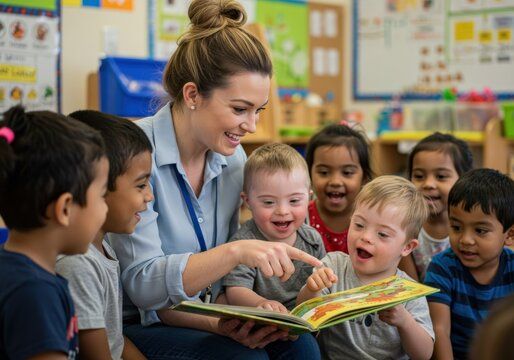
Benefits of interactive and personalized reading for children
Interactive and personalized reading offers a wealth of benefits for young learners. Children become more engaged when stories reflect their interests and experiences. This connection fosters a love for books that can last a lifetime.
Participation is key. When children interact with the text—whether through questions, discussion, or activities—they deepen their comprehension skills. They learn to think critically about what they read.
Personalized reading also supports diverse learning styles. Some kids thrive in visual environments while others benefit from auditory storytelling or hands-on activities. Tailoring content helps address these differences effectively.
Additionally, interactive reading nurtures social skills as children share their thoughts and ideas with peers or adults. They learn to express themselves clearly while developing empathy by exploring different perspectives within stories.
This approach not only enhances literacy but also builds confidence in young readers as they navigate new narratives on their own terms.
Different types of interactive personalized reading activities
One exciting way to engage children is through story-based role play. Kids can step into their favorite characters’ shoes, acting out scenes from the book. This not only enhances comprehension but also builds confidence.
Another fun activity involves creating personalized picture books. Parents or educators can compile photos of the child’s family and friends, weaving them into a narrative. Seeing themselves in stories makes reading more relatable and enjoyable.
Interactive apps are also fantastic tools for personalized reading experiences. Many applications adapt content based on a child’s interests and reading level, making it easy to keep them engaged.
Crafting DIY story kits encourages creativity too. These kits can include items like puppets or props related to a particular book, allowing kids to retell stories in imaginative ways while reinforcing their understanding.
Reading games with points or rewards transform learning into an engaging challenge that promotes both literacy skills and motivation.
Success stories and research supporting the effectiveness of personalized reading
Numerous success stories highlight the transformative power of personalized reading in early education. For instance, a study conducted by researchers at Stanford University found that children who engaged in personalized reading programs showed significant improvements in literacy skills compared to their peers. These students demonstrated greater enthusiasm for reading and were more likely to continue exploring books independently.
Another compelling example comes from a school district that implemented interactive storytelling sessions tailored to individual interests. The results were remarkable: teachers reported not only enhanced comprehension levels but also an increase in student participation during class discussions. Children who previously struggled with traditional learning methods thrived when given the chance to explore narratives aligned with their passions.
Research is beginning to confirm what many educators have intuitively known—personalized, interactive reading experiences foster deeper connections between young learners and literature. Programs like “One Book, One School” encourage entire communities to engage around a single story while allowing flexibility for personal interpretation and interaction among students.
As we delve deeper into these findings, it becomes clear that investing time and resources into personalized reading initiatives can yield considerable rewards for both children and educational institutions alike. By creating engaging environments where each child feels seen and heard, we form stronger foundations for lifelong learning through the joy of storytelling.
