


Mental health is often viewed through a one-size-fits-all lens, but what if we told you that support could be as unique as your fingerprint? Personalised mental health support is changing the game. It recognizes that every individual has distinct experiences, challenges, and needs. This tailored approach goes beyond traditional methods to create meaningful connections and effective strategies for improvement.
Imagine having access to resources and tools specifically designed for you, tools that resonate with your personal journey. From therapy sessions that reflect your unique circumstances to self-care routines crafted just for you, personalised mental health support offers a pathway to enhanced well-being. As awareness grows around mental health issues, so does the understanding of how critical it is to address them in ways that truly matter.
Join us as we explore this transformative concept further and delve into how personalised approaches can significantly improve quality of life. Whether you’re seeking help or supporting someone else on their journey, there’s something here for everyone looking to make strides toward better mental wellness.
Understanding Personalised Mental Health Support
support workers mental health geelong interventions to meet individual needs. It’s not just about a diagnosis; it’s about understanding the whole person. Each journey through mental wellness is unique, shaped by personal experiences, backgrounds, and preferences.
This approach embraces various modalities, therapy styles, coping strategies, and lifestyle changes that resonate with the individual. For instance, someone might thrive in cognitive-behavioral therapy while another finds solace in mindfulness practices.
Technology plays a vital role too. Apps that track mood or provide resources can enhance this personalised experience. They offer immediate access to tools that align with one’s specific challenges.
By focusing on what works best for each person rather than applying generic solutions, personalised mental health support fosters deeper connections between individuals and their care providers. This connection often leads to more effective outcomes and empowers people on their path toward healing and growth.
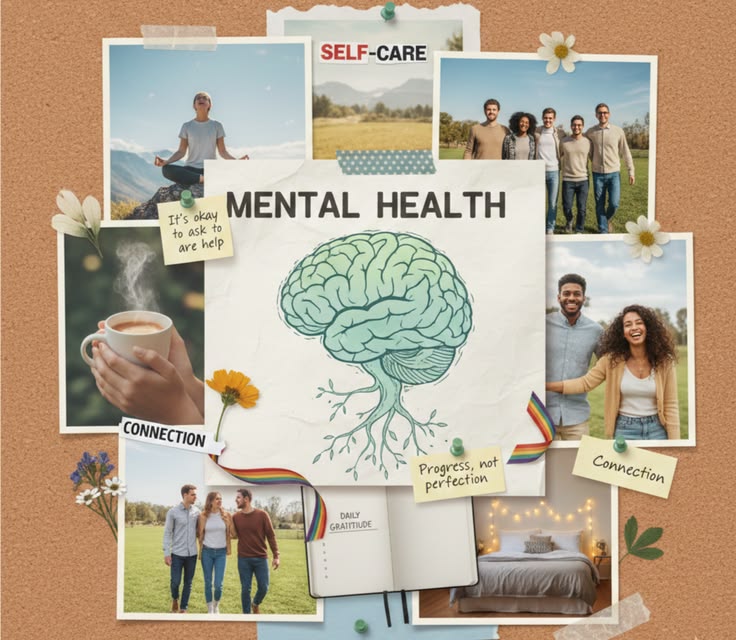
Types of Personalised Mental Health Support
Personalised mental health support comes in various forms, catering to individual needs and preferences. One popular type is one-on-one therapy. This approach allows individuals to work closely with a therapist who tailors sessions based on specific challenges.
Group therapy also offers unique benefits. It fosters community and shared experiences, allowing participants to learn from each other’s journeys while receiving guidance from a facilitator.
Another innovative option is online counseling or teletherapy. This method provides flexibility and ease of access, perfect for those with busy schedules or mobility issues.
Mindfulness practices are increasingly integrated into personalized plans as well. Techniques like meditation can be customized to suit personal comfort levels and lifestyles.
Support apps provide tools that adapt to users’ requirements. These digital resources offer everything from mood tracking to guided exercises tailored specifically for the user’s mental health journey.
Case Studies Real Life Examples of Improved Quality of Life
Emma, a 32 year old graphic designer, struggled with anxiety for years. Traditional therapy didn’t resonate with her. After discovering personalized mental health support through an app tailored to her needs, she found relief. Customized coping strategies and real-time check-ins transformed her daily routine.
Then there’s Mark, a retired veteran facing depression after service. His journey took a positive turn when he engaged in community-based programs that matched his interests. Workshops focused on art and mindfulness not only boosted his mood but also fostered friendships that helped him feel less isolated.
Sarah’s story is equally inspiring. Living with bipolar disorder, she benefited from a combined approach of therapy and lifestyle coaching tailored specifically to her triggers. This integration allowed her to manage symptoms more effectively while enhancing overall well-being.
These examples highlight how individualized care can lead to significant improvements in life quality by addressing each person’s unique circumstances and needs.
Overcoming Stigma and Seeking Personalised Help
Stigma around mental health can feel suffocating. Many people hesitate to seek help because of fear or judgment. This discomfort often leads to silence, perpetuating the cycle of suffering.
Understanding that seeking personalized support is a strength, not a weakness, is vital. It’s about taking control and prioritizing well-being. Personalised approaches recognize each person’s unique experiences and challenges, encouraging individuals to embrace their journeys.
Sharing stories can break down barriers. When others see real-life examples of healing through personalised care, it changes perspectives. Conversations about mental health need openness; they should be part of everyday dialogue.
Supportive communities also play a crucial role in normalizing these conversations. The more we talk about our struggles and victories, the less isolated everyone feels. Reaching out for help becomes easier when we know we’re not alone in our battles against stigma.
Incorporating Self Care into Personalised Mental Health Support
Incorporating self care into personalised mental health support can significantly enhance its effectiveness. When individuals prioritize their well being, they create a solid foundation for growth and healing.
Self-care is not just about relaxation; it’s an essential part of maintaining mental health. This might include activities like journaling, meditation, or even engaging in hobbies that spark joy. These practices help individuals connect with themselves on a deeper level.
Personalised mental health support thrives when it integrates these self-care strategies. For instance, therapists can encourage clients to identify specific self care activities that resonate with them. This tailored approach ensures that the care provided aligns with individual preferences and needs.
Additionally, establishing routines around self care fosters consistency. Whether it’s setting aside time each day for mindfulness or scheduling weekly nature walks, these small commitments accumulate over time, leading to significant improvements in overall quality of life.
Moreover, combining professional guidance with personal self-care empowers individuals to take charge of their journey towards better mental health. It creates a harmonious balance where both external support and internal nurturing work hand-in-hand.
Encouragingly, as people embrace this holistic method where personalised care meets proactive self management their resilience often grows stronger. By actively participating in their own recovery process through effective self care practices alongside professional help, many find pathways to renewed hope and fulfillment in daily life.
