

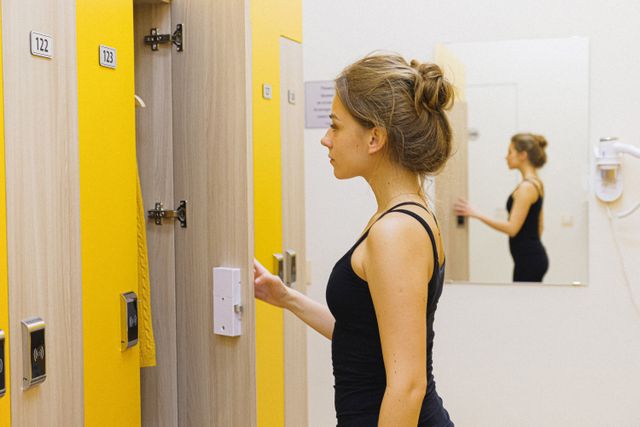
Workplaces have changed enormously in the past few years, but storage is one area that often gets left behind. Offices may have hot desks, hybrid schedules, digital access systems and app-based meeting rooms, while personal storage still relies on rows of old lockers with keys that somehow disappear within a week. That mismatch is one reason organisations are paying more attention to smart locker benefits. Modern locker systems can do far more than provide a secure box, supporting flexible workplaces, parcel collection, equipment management and temporary storage while reducing some of the administrative work that comes with traditional key-based systems. The interesting part is that smarter storage isn’t really about lockers at all; it’s about making shared spaces easier to use.
Hybrid Work Has Changed the Storage Problem
In a traditional office, the storage model was simple. Employees had assigned desks, drawers and perhaps a locker nearby, and their belongings stayed in roughly the same place every day. Hybrid work complicates that because someone may be in the office two days one week and four days the next, desks may be shared between different employees, and teams may move between floors or locations depending on project needs. In that environment, permanently assigning one locker to every person can waste a lot of space.
Flexible locker systems can allow storage to be allocated only when it’s needed. An employee arriving for the day might access a locker temporarily, use it during their visit and release it again afterwards. That makes better use of a limited physical resource, particularly in larger workplaces where not everyone is present at the same time.
Nobody Wants to Manage Hundreds of Tiny Keys
Traditional lockers come with an operational problem that sounds insignificant until somebody has to manage it. Keys get lost, combination codes are forgotten, locks break and former employees leave without returning anything. Before long, administrators can end up with envelopes full of spare keys and a spreadsheet that may or may not reflect reality.
Electronic access can simplify much of that process. Depending on the system, users may unlock storage using an access card, PIN, mobile device or another digital credential, while permissions can be changed without physically replacing a lock. Administrators may also be able to see which lockers are assigned or available. For a workplace with ten lockers, manual administration isn’t much of a burden, but for a site with hundreds or thousands, it becomes a different story entirely.
Parcels Have Become an Office Problem Too
Online shopping has quietly created another storage challenge for workplaces and residential buildings. If employees regularly have parcels delivered to the office, reception staff can end up acting as an unofficial mailroom. Packages accumulate behind desks, recipients have to be contacted and valuable items may sit in open areas waiting to be collected.
Smart lockers can create a more organised handover process. A parcel can be placed into a secure compartment, the recipient can receive a notification, and collection can happen without someone at reception having to locate the package manually. This kind of system can be particularly useful in large offices, apartment buildings, universities and shared facilities where deliveries arrive throughout the day, removing a small but repetitive task from staff who probably have more useful things to be doing.
Equipment Can Be Managed More Effectively
Storage isn’t only about handbags, coats and lunch boxes. Modern workplaces may need to manage laptops, tablets, testing equipment, tools, cameras, access devices or other shared assets, and if those items are kept in ordinary cupboards, it can become difficult to know who has taken what.
Controlled lockers provide one way to create a more structured checkout system. A particular employee might be given access to a compartment containing the equipment they need, while access records help create accountability around collection and return. This doesn’t eliminate the need for proper asset management, but it can make the physical handover much cleaner. In industries where expensive equipment moves constantly between employees, that can be a significant advantage.
Better Storage Helps Keep Shared Spaces Tidy
Hot-desking works badly when people have nowhere to put their belongings. Without storage, bags end up under desks, jackets are draped over chairs and personal items slowly accumulate around supposedly flexible work areas. Over time, the office begins to feel less organised and the original idea of a clean shared workspace starts to fall apart.
Convenient storage gives people somewhere to put things they don’t need immediately. This may sound like a minor aesthetic benefit, but clutter affects how shared spaces function. Clear floors improve circulation, desks can be reset more easily between users and cleaning staff have fewer obstacles to work around. Good storage supports the everyday behaviours that flexible workplaces depend on.
Access Control Can Be More Flexible Than “Locked or Unlocked”
A physical key creates a fairly binary relationship with a locker: whoever has the key can open it. Digital systems can offer more nuanced permissions, with access potentially granted for a specific day, project or period. A compartment may be reassigned once one user is finished with it, while different groups can receive access to different locker banks depending on where they work.
That flexibility can be useful in environments with contractors, temporary staff or visitors, where permanent physical keys create unnecessary administration. It can also make deactivation easier when somebody leaves an organisation. Instead of chasing a missing key, access permissions can simply be changed electronically.
Usage Data Can Reveal Whether You Actually Need More Lockers
One of the problems with traditional storage is that empty and occupied lockers can look exactly the same from the outside. An organisation may assume it has run out of capacity because employees report that they can’t find a locker, while dozens of compartments are permanently assigned to people who rarely use them.
Digitally managed systems can provide better visibility into utilisation. Organisations may be able to see how frequently lockers are being used, when demand peaks and whether particular locations are underused. That information can influence future space planning, allowing facilities teams to determine whether the issue is genuinely insufficient capacity or simply inefficient allocation before automatically installing another bank of lockers. As commercial space becomes more expensive, those distinctions matter.
Security Still Depends on the Entire System
Calling something “smart” doesn’t automatically make it secure. The physical construction of the locker still matters, as does the software controlling access. Organisations also need sensible processes for handling credentials, responding to faults and deciding who has administrative permissions.
The contents being stored should influence the specification too. A locker for an employee’s lunch and jacket has different security requirements from one containing expensive electronics or confidential documents. Technology improves what a storage system can do, but it doesn’t remove the need to think carefully about how it will actually be used.
Convenience Is Usually What Determines Adoption
The smartest storage system in the world won’t achieve much if employees find it irritating to use. People expect workplace technology to be quick, and if accessing a locker requires a complicated login process, multiple apps or constant calls to facilities staff, users will start looking for alternatives.
The best systems fit naturally into the existing workplace. If employees already carry an access card, using the same credential may make sense. If the organisation operates heavily through mobile devices, app-based access may be more appropriate. Small details such as locker location matter too, because storage that requires a five-minute walk to another floor is unlikely to be popular, no matter how advanced the technology is.
Storage Is Becoming Part of Workplace Infrastructure
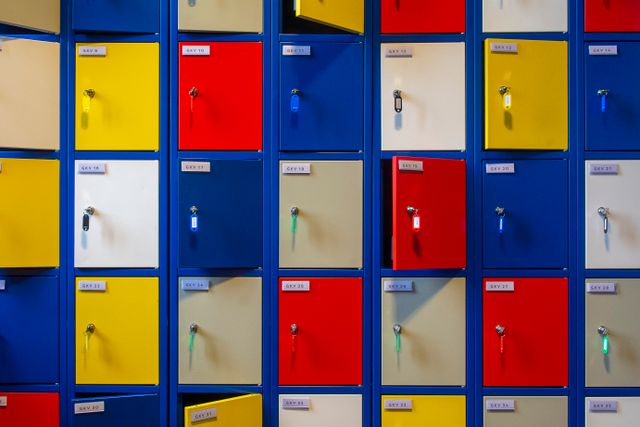
Lockers used to be treated mostly as furniture: buy enough metal boxes, place them against a wall and the storage problem was considered solved. That approach makes less sense in workplaces where attendance changes daily, space is shared and physical access is increasingly managed digitally.
Modern storage is becoming part of the broader workplace system, interacting with access control, asset management, deliveries and flexible working arrangements rather than operating as a completely separate piece of furniture. That doesn’t mean every office needs a sophisticated smart locker installation, and smaller workplaces may be perfectly well served by traditional storage. But as organisations become larger and more flexible, the advantages of knowing who can access storage, when it’s available and how heavily it’s being used become harder to ignore.
The workplace itself is getting smarter. It makes sense that the humble locker is finally catching up.
