

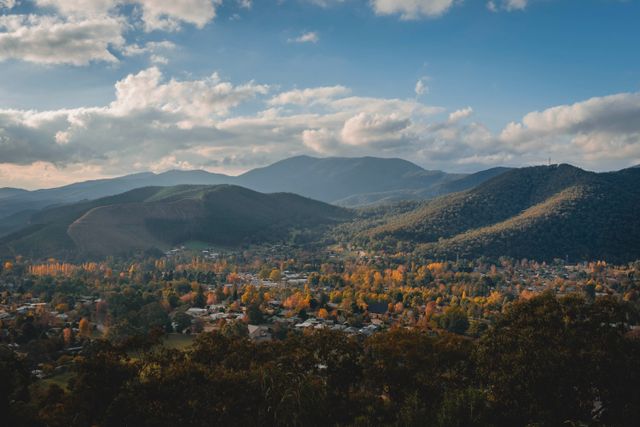
The Yarra Valley and Dandenong Ranges draw people looking for space, some real character and a bit of a slower pace of life. But as these same folks often find out halfway through a big building or renovation project, this region isn’t quite like the suburbs they came from. Sites in the hills can be tricky; steep slopes, old homes that need to be preserved, bushfire overlays and council regulations that add a whole new layer of complexity that most builders from the city just aren’t equipped to handle. Getting it right here requires understanding just what it is that makes this place so different before you even go through the doors with a builder.
Why This Is Not Standard Building Territory?
The Australian Bureau of Statistics says 76,414 new building businesses sprouted up in 2024-25, the biggest growth of any industry that year. But just because there are more builders out there, it doesn’t mean there are more of them who know what they’re doing in this region. Here in the Yarra Valley and Dandenong Ranges that knowledge is everything, and it’s what distinguishes a specialist likehttps://www.mbuildco.com.au/ from builders who parachute into the region.
Lots of properties in the Dandenong Ranges fall within designated Bushfire Attack Level zones. That classification dictates specific building materials, design and construction rules under the Building Code of Australia, things like window glazing, subfloor ventilation, and roof cladding. Builders who don’t know about BAL-rated construction are just going to miss these requirements in the design phase or get slammed with the costs of fixing it all up at the permit stage. Not ideal for the homeowner, that.
Building sites in the hills are all about earthworks, drainage, and getting heavy equipment in and out, none of which is typical for a flat suburban block. And when you’ve got natural reserves right on your doorstep, taking down trees to make way for a new building gets a lot more complicated and of course that means more time and money getting approval from the council.
What Renovating an Older Home Here Actually Involves?
A lot of the homes in the Dandenong Ranges and Yarra Valley are older, Edwardian, Victorian and Federation-style houses from back in the day. Renovating these places is a whole different ball game to chucking some new bits around a post-war brick veneer. You’ve got to handle things like pressed metal ceilings, original hardwood floors, Baltic pine joinery and all sorts of other bits and bobs that require a lot of TLC and care so you end up with something that looks like it’s been with the house for a hundred years.
Old homes around here often have dodgy old plumbing and electrical wiring that just won’t meet modern standards, so it’ll need tearing out and replacing. And when you go to open up some walls, you often find out that there’s some more expensive work needed to get the place safe and sound; that’s the kind of builder you need, one who budgets for the unexpected.
Extensions on Sloped Blocks Require Different Thinking
The slab extension at ground level, the ubiquitous option for flat suburban Melbourne, is almost never the way to go with Tecoma, Upwey, Mount Evelyn, and Dandenong Ranges properties, where the blocks tend to be steeply graded. The cantilever extension, the stumped extension, or the split-level extension are the usual options to deal with slopes, and they all pose added complexities to builders who don’t have any experience with such terrain and will take more time and money to sort out.
The cathedral ceilings and the raked roofs that form part of the design language in the region will need roof framing that domestic builders aren’t used to. Tree canopy in the majority of Dandenong Ranges properties adds additional considerations to the orientation of the extension that needs to be considered from the energy efficiency and seasonal liveability point of view.
Bathrooms in Regional Properties Are a Different Task
Bathroom renovations in Yarra Valley properties present challenges very different from those of their metropolitan counterparts. Many of the rural pockets in the region use septic systems instead of sewer mains, and that will affect both what is possible and the type of council approvals required in the process of renovation. Water pressure varies considerably in the region and will impact what shower systems and fixtures are available.
A local builder will know the reliable products, the tradespeople and the suppliers for that environment. It will help avoid mismatches that happen because of using the approach to a building task typical for a different environment.
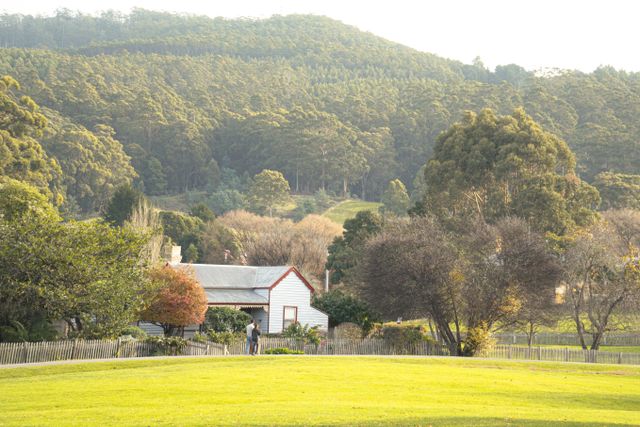
The Builder Relationship That Produces Good Results
A registered builder working in the Yarra Valley and Dandenong Ranges will have the council knowledge, the subcontractor relations, and site-specific construction experience that an out-of-the-region builder will have to gain at the client’s expense during the project. Clear communication between the parties from the initial inquiry stage to the completion of the project will not be a bonus; it is the minimum requirement that will help to avoid the cost overruns and the schedule delays caused by lack of client participation in a difficult process.
The best way to evaluate the builder’s skills is to see the finished projects in the region, specifically on sites and building stock similar to the one the client owns. An excellent portfolio from metropolitan areas will not provide that information.
